
GoNano: Hail Resistant Shingles Colorado Homeowners Need
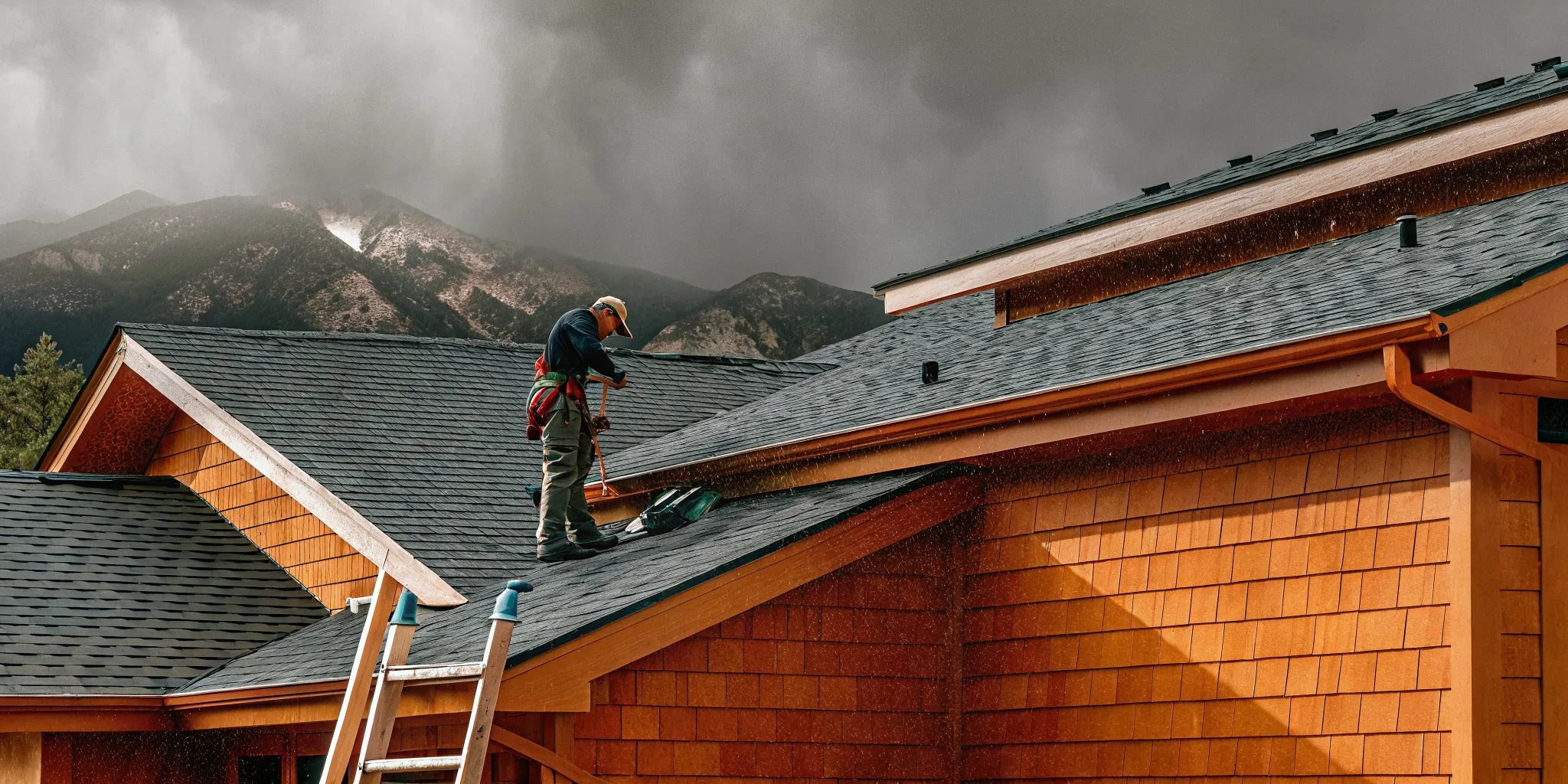
In Southwest Colorado, a roof can face hail, intense ultraviolet exposure, heavy snow, and repeated freeze-thaw cycles in the same year. Those conditions gradually harden asphalt shingles, leaving a sound roof more vulnerable when the next storm rolls through Durango or the surrounding mountain communities.
Call (505) 979-0475 today to schedule your free roof inspection.
For homeowners exploring hail resistant shingles Colorado options, GoNano nanotechnology offers a science-based way to help protect sound-to-moderately-aged asphalt shingles without immediate replacement. The treatment penetrates the shingle surface to restore flexibility and adds a protective layer that helps mitigate hail-related surface damage. It is not a miracle cure for severely damaged roofing, but it may help extend the useful life of shingles that remain in serviceable condition.
Understanding why Colorado roofs are especially exposed to hail damage makes it easier to evaluate impact resistance, roof condition, and whether rejuvenation deserves consideration before a replacement decision.
Why Colorado Roofs Are Especially Vulnerable to Hail Damage
Colorado's hail season is more than a brief weather nuisance. Storms can cause significant, expensive damage to standard asphalt shingle roofs. And the risk is especially meaningful for homeowners who have already invested in protecting their property from the state's heavy weather. Insurance exposure can also be substantial in hail-prone parts of Colorado, which makes roof durability a practical financial concern as well as a maintenance concern.
For homeowners in Durango and the surrounding Southwest Colorado communities, the mountain climate adds another layer of stress. Elevation brings intense ultraviolet radiation, while winter weather repeatedly moves roofing materials through freezing and thawing. Heavy snow loads and rapid temperature changes can compound the wear created by summer storms.
High-elevation UV radiation can harden asphalt shingles
Asphalt shingles depend on a degree of flexibility to absorb weather and impact. Over time, intense UV exposure can contribute to hardening and brittleness. A shingle that once flexed under pressure may become less able to distribute force across its surface, leaving it more vulnerable when hail strikes.
Freeze-thaw cycles widen small weaknesses
Small cracks and weakened areas may not be obvious from the ground. When moisture enters those areas and freezes, expansion can gradually widen the weakness. Repeated freeze-thaw cycles do not guarantee damage to every roof, but they can reduce the material's ability to respond to the next severe storm.
That matters because a brittle shingle is more likely to shatter or fracture on impact instead of flexing and recovering. Even when the damage is subtle, exposed matting, loosened granules, and small impact marks can shorten the roof's remaining service life. Hail resistance is therefore not just a question of the storm itself. It is also a question of the condition of the shingle before the storm arrives.
In the Durango area, weather can change quickly between the Animas Valley, higher mountain communities, and nearby mesas. A roof that appears sound after an ordinary season may still benefit from a professional inspection after a hail event. GoNano treatment can help mitigate hail-related surface damage on sound shingles, but it is a scientific rejuvenation treatment, not a way to repair severely damaged roofing.
Takeaway: Colorado hail can be especially hard on shingles already stressed by high-elevation UV exposure and freeze-thaw cycles. Understanding the roof's current flexibility and condition is the first step toward choosing an appropriate protection strategy. The next question is how the industry measures impact resistance and what those ratings actually mean.
How to Choose Hail Resistant Shingles Colorado Homeowners Trust
When homeowners compare impact-resistant roofing for Colorado properties, the class rating provides a useful starting point. It describes how a shingle performed in a standardized impact test, not a promise that a roof will never sustain damage. That distinction matters in Southwest Colorado, where hail can arrive alongside intense sun, freeze-thaw cycles, and heavy weather.
How UL 2218 measures impact resistance
UL 2218 testing uses steel balls dropped from specified heights onto roofing materials. The test measures whether the shingle cracks or shows visible damage after impact. For higher ratings, the material is typically struck twice in the same area, which helps distinguish a genuinely impact-resistant product from one that simply survives a single hit. A Class 4 shingle, for example, must show no damage after two impacts from a 2-inch steel ball in the same spot.
The test is controlled, so it should be treated as a comparison tool rather than a guarantee against every hailstorm. Hailstone shape, wind speed, roof angle, shingle age, installation quality, and previous weathering can all affect real-world performance.
What the four classes mean
The classes progress as the test projectile becomes larger and the drop height increases:
- Class 1: Tested with a 1.25-inch steel ball dropped from 12 feet.
- Class 2: Tested with a 1.5-inch steel ball dropped from 15 feet. This is common among standard asphalt shingles.
- Class 3: Tested with a 1.75-inch steel ball dropped from 17 feet, representing a higher level of impact resistance.
- Class 4: Tested with a 2-inch steel ball dropped from 20 feet. It is the top UL impact-resistance class, and the shingle must remain free of damage after the specified repeated impacts.
Many Class 4 products also carry wind ratings up to 130 mph, although wind performance is a separate specification and should be verified for the specific product. Class 4 is generally a sensible place to begin when comparing high-performance hail roofing products, while Class 3 can offer moderate protection.
UL 2218 Impact Resistance Classes Compared
| Class | Steel Ball Diameter | Drop Height | Typical Shingle Type |
|---|---|---|---|
| Class 1 | 1.25 inches | 12 feet | Basic entry-level |
| Class 2 | 1.50 inches | 15 feet | Standard asphalt shingles |
| Class 3 | 1.75 inches | 17 feet | Moderate impact resistance |
| Class 4 | 2.00 inches | 20 feet | Highest impact rating |
What a rating means for an existing roof
Most Colorado homes have standard Class 2 asphalt shingles. A rating does not automatically change because a coating or treatment is applied, and no treatment should be presented as a replacement for severely damaged shingles. However, GoNano nanotechnology is designed to add a protective layer that helps mitigate hail-related surface damage on sound, moderately aged asphalt shingles. In practical terms, treatment can help an existing roof perform more like a higher-resistance system. Including Class 3 or Class 4-level impact performance, depending on the roof's condition and treatment results.
Takeaway: Class ratings make hail resistance easier to compare, with Class 4 representing the strongest standardized impact category. For an existing Class 2 roof, the next question is whether the shingles remain sound enough for a scientific rejuvenation treatment. That is where the GoNano process becomes important.
How GoNano Nanotechnology Elevates Your Shingles to Class 3/4 Impact Resistance
GoNano works at the shingle surface and within the asphalt binder, where years of sun, weather, and seasonal movement can gradually reduce flexibility. The goal is not to disguise severe damage or promise a miracle cure. It is to scientifically rejuvenate sound-to-moderately-aged asphalt shingles so they can better manage the conditions common across Southwest Colorado.
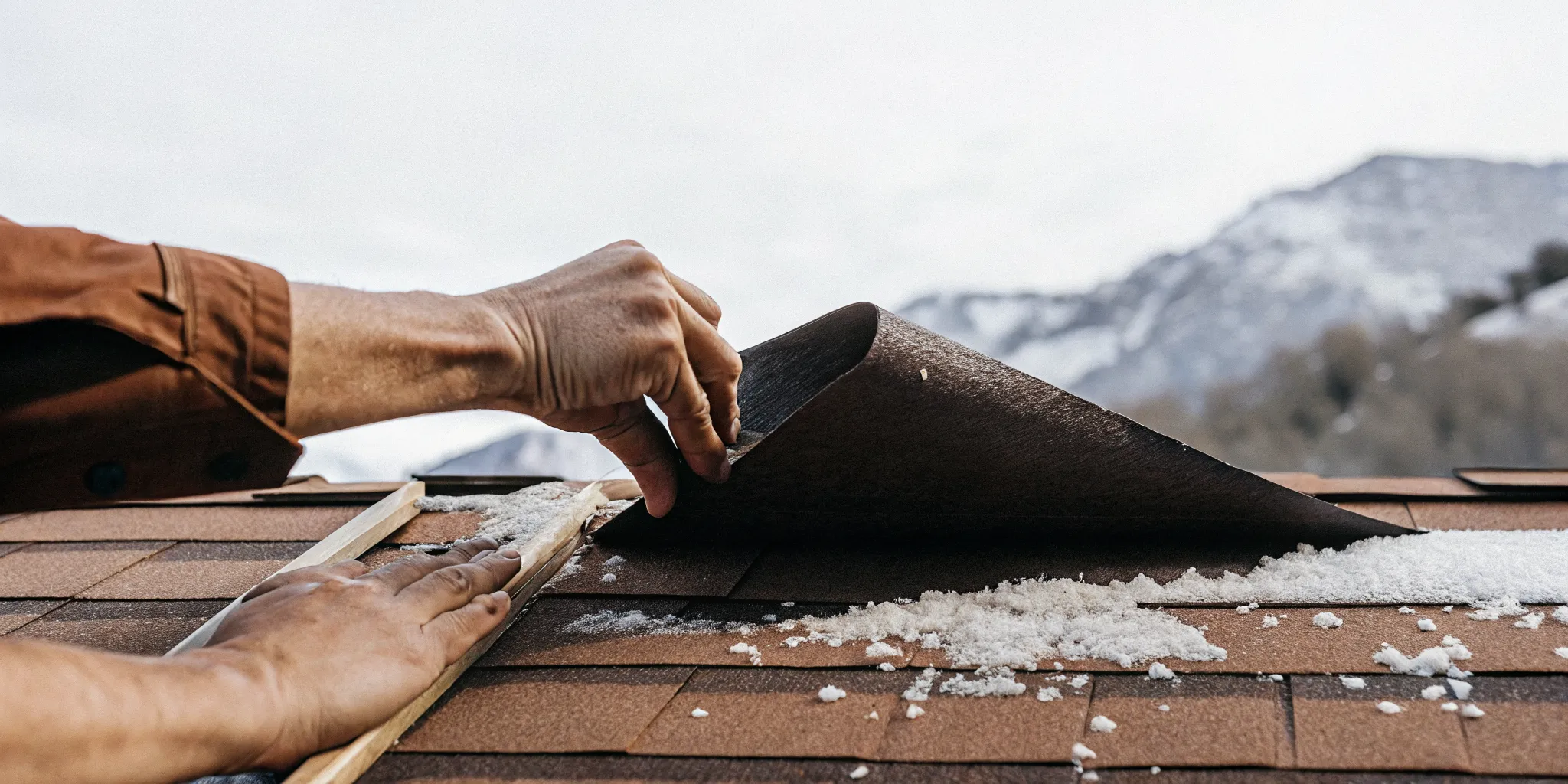
Nanotechnology Penetrates and Restores
GoNano's zinc-based formula penetrates the asphalt binder in the shingle. As intense UV exposure dries and hardens asphalt over time, the treatment helps restore flexibility and replenish oils that support the shingle's ability to move rather than crack. That molecular-level modification addresses one of the underlying reasons an older shingle becomes more brittle.
Research into asphalt-based nanocomposites describes coatings that enhance the properties of shingle materials, including formulations built from an asphalt matrix and layered clay minerals. These material principles help explain why a nanotechnology treatment can do more than sit on top of the roof. Review the underlying asphalt nanocomposite research, then see the customer-facing explanation on our GoNano science page.
Restored Shingles Absorb Impact
Flexible shingles respond differently when hail strikes. Instead of behaving like a dry, brittle surface that can fracture under concentrated force. A rejuvenated shingle has more ability to absorb and distribute impact through the asphalt and granule surface. GoNano is designed to help mitigate hail-related surface damage, while the roof's existing condition remains an important part of any professional evaluation.
Class ratings provide a standardized way to discuss impact resistance. Under UL 2218 testing, a Class 3 result involves a 1.75-inch steel ball striking the same area twice without cracking. While Class 4 testing uses a 2-inch steel ball. The test procedure also includes dropping a 2-inch steel ball from 20 feet for the Class 4 level. GoNano's rejuvenation approach supports the impact-resistant performance described in the treatment scope, but it does not turn severely damaged shingles into new roofing materials.
Long-Term Protection Against Colorado's Climate
Hail is only one stressor on a Durango-area roof. High-elevation UV radiation can accelerate surface aging, while heavy snow loads and repeated freeze-thaw cycles challenge shingles as temperatures move above and below freezing. Maintaining flexibility and helping protect the asphalt surface gives the roof a better chance to handle those repeated changes.
For eligible roofs, NuRoof Revive can extend the life of sound-to-moderately-aged shingles by approximately 7 to 12 years. The preventive NuRoof Fortify treatment is designed for newer shingles and can extend their useful life by about five years. These outcomes depend on roof condition, installation quality, and exposure, so an inspection should come before treatment recommendations.
Takeaway: GoNano combines zinc-based rejuvenation with a more flexible asphalt surface, helping existing shingles respond to hail, UV exposure, and freeze-thaw cycling. It is a protection strategy for viable roofs, not a substitute for replacing shingles that are already severely damaged.
GoNano Treatment vs. Full Roof Replacement: A Smarter Hail Protection Strategy
When a roof in Durango or the surrounding Southwest Colorado mountains still has sound-to-moderately-aged asphalt shingles, replacement is not the only path to better hail protection. A full asphalt shingle replacement commonly runs $10,000 to $15,000, while a full-roof GoNano treatment typically costs $3,000 to $5,000. That difference can preserve cash for other home priorities without ignoring the next storm.
How homeowners choose between hail protection options affects the budget
Class 4 impact-resistant shingles are a legitimate replacement upgrade, but they carry an added upfront cost. The upgrade from standard architectural shingles generally adds 10% to 20% to the replacement's material cost. Which can mean approximately $1,500 to $4,000 more on a typical Colorado roof. Class 4 products are tested against a 2-inch steel ball dropped from 20 feet under UL impact-resistance testing. Review the testing details before comparing products.
Other high-performance materials can raise the investment further. Synthetic shingles and stone-coated steel options may cost 2.25 to 4 times more than Class 4 asphalt, according to a Colorado roofing comparison. They may suit a particular design or performance goal, but they are not automatically the most practical answer for every homeowner.
A lower-disruption option for a sound existing roof
GoNano is designed to help mitigate hail-related surface damage on sound shingles while extending the useful life of the existing roof. It avoids tear-off, hauling, installation noise, and the waste created when a serviceable roof is removed prematurely. The treatment does not repair severely damaged shingles, so an inspection should come before deciding between rejuvenation and replacement.
For eligible roofs, that means a comparable hail-protection strategy without paying for a new roof assembly. Homeowners can learn about the NuRoof Fortify preventive treatment and NuRoof Revive restorative treatment as separate service options, then use a professional inspection to understand the condition of their shingles.
Why prevention can create long-term value
Hail-resistant roofing can reduce the need for premature repairs after hail events, helping offset its higher initial cost over time. GoNano approaches that same financial question from another direction: preserve a roof that remains a good candidate, rather than replacing it before its useful service life is exhausted. In a high-elevation climate shaped by intense UV, freeze-thaw cycles, snow, and sudden storms, maintaining roof integrity is a practical investment.
Summary: Replacement with Class 4 asphalt can improve impact resistance, but it also adds material cost to a $10,000-$15,000 project, while premium alternatives cost substantially more. For a sound existing roof, GoNano's $3,000-$5,000 treatment offers a lower-waste, lower-disruption path to hail protection. A free roof inspection can clarify which approach makes financial sense.
Frequently Asked Questions
Are hail-resistant shingles worth considering in Colorado?
They can be a practical investment for Colorado homeowners, especially where high-elevation UV exposure, freeze-thaw cycles, and recurring hail can accelerate shingle wear. A stronger impact rating may help reduce premature repair needs, but the roof's existing condition still matters. A professional inspection can determine whether treatment or replacement is appropriate.
What is the difference between Class 3 and Class 4 impact ratings?
Class 3 shingles must remain uncracked after two impacts in the same area from a 1.75-inch steel ball. Class 4 shingles must show no damage after two impacts from a 2-inch steel ball. These test definitions are summarized by the Colorado Roofing Association.
Is a Class 3 shingle considered hail resistant?
Yes, Class 3 indicates meaningful impact resistance under the applicable test, although Class 4 represents the higher rating. Neither rating guarantees that a roof will escape every storm, because hail size, wind. Installation quality, roof age, and the condition of the underlying shingles all affect the outcome.
How much more do hail-resistant shingles cost?
Class-rated materials generally cost more upfront than standard asphalt shingles. One industry source estimates that a Class 4 upgrade can add roughly 10% to 20% to material costs. Although the final price depends on the product, roof size, and installation. See the UL impact-rating discussion for additional context.
Can GoNano help protect an existing roof without replacement?
GoNano is a zinc-based roof rejuvenation treatment designed to extend the life of sound-to-moderately-aged asphalt shingles and help mitigate surface damage from hail. It is not a repair for severely damaged shingles or a guarantee against future storms. A roof inspection is needed to evaluate whether the existing shingles are suitable for treatment.
Schedule Your Free Roof Inspection
A professional inspection can clarify how your shingles are handling Colorado's hail, sun, snow, and seasonal freeze-thaw cycles. It gives you a practical starting point for understanding your roof's condition and whether rejuvenation may be worth exploring before replacement becomes necessary. To schedule your free roof inspection, call (505) 979-0475 and talk with the High Country Roof Revival team about your Durango-area property.
