
A Homeowner's Guide to Hail Protection Roof Colorado
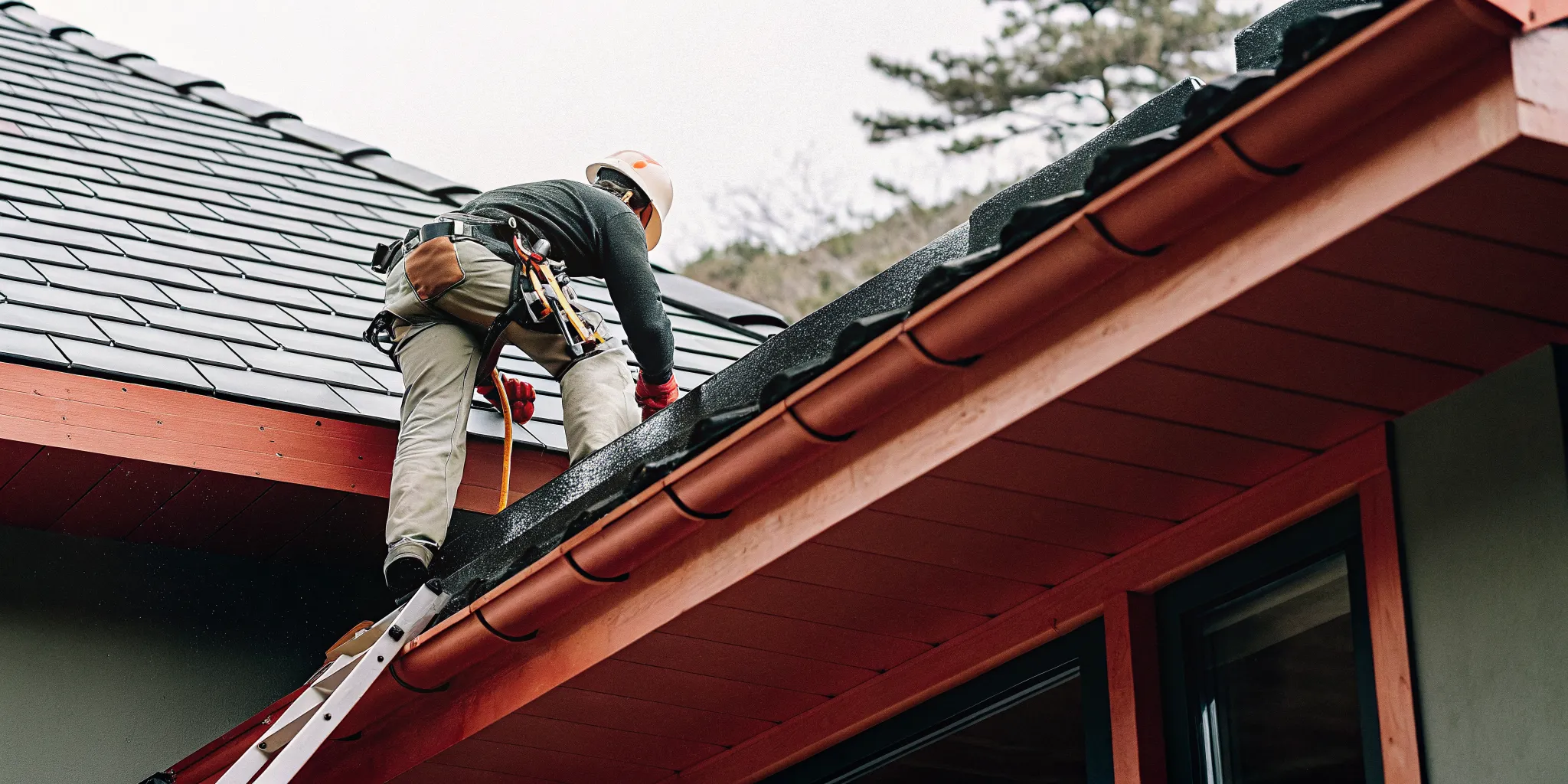
When it comes to protecting your home from hail, modern roofing has moved far beyond simple shingles and tar. Today, it’s all about science. From impact-resistant materials engineered to absorb force to rejuvenation treatments that restore the essential oils in your existing shingles, the technology is designed for resilience. These advancements offer a powerful defense against the specific challenges we face in Southwest Colorado. Understanding the science behind effective hail protection roof Colorado properties need can change how you approach your roof’s health. Instead of just reacting to damage, you can proactively strengthen your roof, extending its life and preparing it for the next storm with proven, effective methods.
Key Takeaways
- Hail Damage Is Often Hidden: The most serious issues caused by hail, like granule loss and tiny cracks, are rarely visible from your driveway. These problems accelerate your roof's aging process, so getting a professional inspection after a storm is the only way to know where you stand.
- A Stronger Roof Pays for Itself: While hail-resistant materials have a higher initial cost, they save you money over time. Factoring in fewer repairs and potential insurance discounts makes a durable roof a smart financial decision for any Colorado homeowner.
- Rejuvenation Can Be a Smart Alternative: A full replacement isn't your only choice for a damaged or aging roof. Ask a professional if roof rejuvenation can restore your existing shingles' flexibility and strength, offering a cost-effective way to prepare your home for the next storm.
How Hail Damages Your Colorado Roof
When a hailstorm rolls through, it’s easy to look outside, see your car is fine, and assume your house is too. But your roof often tells a different, more subtle story. Hail can cause significant issues that aren't visible from the ground, setting the stage for premature aging and costly repairs down the line. Understanding what this damage looks like and how it affects your roof’s longevity is the first step in protecting your home from Colorado's notoriously severe weather.
Why Colorado is a hail hotspot
Living in Colorado means we get to enjoy incredible mountains and sunshine, but it also means dealing with some wild weather. When it comes to hail, our state is a true hotspot. In fact, Colorado sees some of the most severe hailstorms in the country, leading to more than a billion dollars in damages every single year. It’s a staggering number that shows just how much of a beating our homes can take. Understanding the risk isn't about being fearful; it's about being prepared. Knowing what hail can do to your roof is the first step in protecting your home from the inevitable summer storms that roll through our beautiful state.
Common types of hail damage: Dents, granule loss, and cracks
Hail damage isn't always as obvious as a big hole in your roof. Often, it’s much more subtle. After a storm, you might see small, dark bruises on your shingles, which can look a bit like blisters. This happens when hail impacts the shingle and knocks off its protective granules. These tiny granules are your roof's first line of defense against the sun's harsh UV rays. Once they're gone, the asphalt underneath is exposed, becoming brittle and weak over time. Larger hail can even cause the underlying fiberglass mat to crack, compromising the shingle's structure. This hidden damage is what truly sets the stage for future problems.
How hail damage shortens your roof's life
The biggest misconception about hail damage is that if you don't see a leak right away, you're in the clear. Unfortunately, that's rarely the case. The real issue with hail damage is how it drastically shortens your roof's lifespan. Those bruises and cracks create weak points that slowly worsen with every season of sun, snow, and rain. A roof that should have lasted 25 years might now be on track to fail in just 10 or 15. While a leak might not appear for months or even years, the damage has been done. The best way to know where you stand is to get a professional opinion before small issues turn into a major, costly replacement.
What Makes a Roof Hail-Resistant?
When a hailstorm rolls through Southwest Colorado, you shouldn't have to cross your fingers and hope for the best. The secret to a roof that can handle hail isn't luck; it's science. The key lies in its materials and, more specifically, its impact resistance rating. This rating tells you exactly how well your roof can stand up to the force of falling hail, and understanding it is the first step toward real peace of mind.
Understanding impact resistance ratings
Think of an impact resistance rating as a grade for your roofing material's toughness. To earn this grade, materials go through a standardized test where steel balls of different sizes are dropped on them to simulate hail. The ratings are sorted into four categories, from Class 1 to Class 4. Impact-resistant shingles are specially made to stand up to hail and bad weather. They often use strong materials like rubber or fiberglass that can absorb an impact instead of cracking. A Class 4 rating is the highest, meaning the material can withstand a 2-inch steel ball dropped from 20 feet without splitting.
What Class 4 impact resistance means for your home
For homeowners in a hail-prone area like ours, a Class 4 rating is the gold standard. These shingles are thicker and more durable than standard shingles, which greatly improves their ability to withstand hail impact. This extra protection isn't just for your peace of mind, either. Many insurance companies offer discounts for homes with Class 3 or 4 roofs because they are far less likely to be damaged. Investing in a Class 4 roof means fewer repairs and a stronger defense against the next storm. If you're unsure how your current roof measures up, a professional can help you assess its condition.
Top Hail-Resistant Roofing Materials
When a hailstorm rolls through Southwest Colorado, having a tough roof over your head brings incredible peace of mind. If you're considering a roof replacement, choosing a hail-resistant material is one of the smartest investments you can make. These materials are specifically engineered to stand up to the impact of hail, reducing the likelihood of costly damage. While no roof is completely indestructible, these options offer a powerful first line of defense.
The best material for you will depend on your budget, your home's style, and how much protection you want. From advanced asphalt shingles to classic metal, there's a range of great choices. Before you commit to a full replacement, it's always a good idea to understand the current condition of your roof. A professional can tell you if rejuvenation is an option or if it's time for a new material. A free roof inspection can give you a clear picture of your roof's health and help you make an informed decision.
Class 4 asphalt shingles
Think of Class 4 shingles as the heavy-duty version of the standard asphalt shingles you see on most homes. They are built stronger and thicker, often with a reinforced fiberglass backing that makes them more flexible and less likely to crack on impact. These shingles go through rigorous testing to earn their Class 4 rating, which means they can withstand hits from hailstones up to two inches in diameter. For many Colorado homeowners, they represent a fantastic balance of improved protection and affordability, making them a popular upgrade from standard roofing.
Synthetic shingles
If you're looking for top-of-the-line impact resistance, synthetic shingles are a leading contender. Made from engineered materials like PVC and other durable plastics, these shingles are designed for extreme durability. They are one of the most hail-proof options you can install, capable of shrugging off impacts that would destroy lesser materials. This superior performance comes with a higher price tag, but for homeowners who want to prioritize long-term resilience and minimize future repairs, the upfront investment can be well worth it for the lasting security it provides.
Metal roofing
Metal roofing is a familiar sight in Colorado, and for good reason. It’s known for its longevity and ability to shed snow, but it’s also a strong performer during a hailstorm. The hail resistance of metal roofs means the panels are designed to prevent hailstones from puncturing the material and compromising the protective layer of your roof. While a severe storm might leave cosmetic dents, the roof’s structural integrity typically remains intact, continuing to protect your home from leaks. This durability makes it a practical and popular choice for mountain properties.
Stone-coated steel
Stone-coated steel offers the best of both worlds: the industrial-strength durability of a steel panel combined with the traditional look of shingles or tiles. This roofing system starts with interlocking steel panels that are then coated with a layer of stone granules. This creates a multi-layered defense that provides excellent protection against hail, even during intense storms. The stone coating also adds a unique texture and aesthetic appeal, allowing you to get the rugged performance of metal without sacrificing your home's curb appeal. It’s a premium choice for ultimate protection.
Concrete and clay tile
With their classic, distinctive look, concrete and clay tiles are known for their durability and long lifespan. When rated as Class 4, these tiles are incredibly tough and can handle significant hail impacts without cracking or breaking. They are a heavy option, so your home’s structure must be able to support the additional weight, which is an important consideration for any potential installation. While they are one of the more expensive materials, their ability to withstand hail, fire, and wind makes them a formidable, long-term roofing solution that adds both character and resilience to a home.
Breaking Down the Cost of a Hail-Resistant Roof
Let’s talk about the budget. Deciding on a new roof is a major financial decision, and it’s smart to weigh the costs carefully. When you’re looking at hail-resistant options, it’s helpful to see the full picture, not just the initial price tag. The true cost of a roof isn’t just what you pay on day one; it’s also about what you save on repairs, maintenance, and even insurance premiums over the years.
Thinking about it this way helps you understand the long-term value you’re getting for your home. A stronger roof means fewer headaches and unexpected bills every time a storm rolls through Southwest Colorado. We’ll break down the upfront investment, the potential savings on future repairs, and the insurance perks that can make a hail-resistant roof a very sound financial choice.
Comparing upfront material costs
It’s true that hail-resistant roofing materials have a higher upfront cost. You can generally expect impact-resistant shingles to cost about 10% to 30% more than standard asphalt shingles. This is because they are engineered differently. These Class 4 shingles are thicker, more flexible, and built with a reinforced underlayment designed to absorb the force of hail.
You’re not just paying for a label; you’re investing in the advanced science that makes these materials tougher and more durable. Think of it as the difference between a standard raincoat and high-performance alpine gear. Both keep you dry, but one is built to withstand much harsher conditions. That extra durability is what you’re paying for at the start.
Calculating long-term savings on repairs
Here’s where that initial investment really starts to pay off. While a standard roof might need thousands of dollars in repairs over its lifespan due to hail, a Class 4 impact-resistant roof can cut those costs by more than half. Fewer dents, cracks, and missing granules mean you’ll spend less time and money on fixes after a storm.
For anyone planning to stay in their home for the long haul, the math is pretty compelling. Over a decade or two, the money you save on repairs can easily offset the higher initial cost of the materials. It provides peace of mind and a more predictable maintenance budget, freeing you from the cycle of damage and repair that is so common in our region.
Potential insurance discounts
Another financial upside to a hail-resistant roof is the potential for a break on your homeowner's insurance. Many insurance companies offer significant discounts, sometimes saving you hundreds of dollars a year, for installing a certified Class 4 roof. Why? Because a stronger roof means less risk for them. They are less likely to have to pay out a large claim for hail damage, and they pass some of those savings on to you.
Before making any decisions, it’s a great idea to call your insurance agent and ask about the specific discounts they offer for impact-resistant roofing. The first step to understanding your options is knowing the current condition of your roof, which you can find out with a free roof inspection.
Common Myths About Hail-Resistant Roof Costs
Let's talk about the elephant in the room: money. When you're thinking about protecting your home from hail, cost is a huge factor. It’s easy to get tangled up in myths and misconceptions about how much a strong, hail-resistant roof will set you back. Many homeowners assume it's a luxury they can't afford, but that’s not always the full picture. The truth is, a durable roof is more of an investment in your home's safety and your own peace of mind than a simple expense.
Thinking about the long-term value can completely change how you view the initial price tag. A roof that stands up to Colorado’s wild weather can save you from the headache and high cost of constant repairs. It might even put money back in your pocket through insurance savings. Before you write off hail-resistant options as too expensive, let’s clear the air and look at what that investment really gets you. We'll break down some of the most common cost-related myths so you can make a decision that feels right for your home and your budget.
"The upfront investment isn't worth it."
It’s true that hail-resistant roofing materials often have a higher initial cost than standard options, and that can be tough to swallow. But it’s helpful to think beyond that first invoice. These materials are specifically engineered to absorb impact and prevent the dents, cracks, and granule loss that lead to expensive repairs. After just one major hailstorm, you could easily spend thousands fixing a standard roof, while a hail-resistant one remains perfectly intact. Over the life of your roof, avoiding just one or two major repairs could make the initial investment more than worth it. It’s about shifting from a reactive repair cycle to a proactive protection plan.
"My insurance policy will cover all damage."
While it's comforting to know your insurance policy is there, relying on it as your only line of defense can be a costly mistake. First, you have to meet your deductible, which can be a significant out-of-pocket expense. Filing a claim can also be a long and stressful process. What many homeowners don't realize is that your choice of roofing material can directly affect your insurance premiums. Many insurance companies offer significant discounts for homes with certified impact-resistant roofs because they see them as a lower risk. So, investing in a stronger roof might not only prevent claims but could also lower your annual insurance costs.
"All impact-resistant materials are expensive."
This is a common misconception. The term "impact-resistant" covers a wide range of materials at different price points. While high-end options like stone-coated steel or synthetic slate carry a premium price, there are more affordable choices. For example, Class 4 asphalt shingles look just like conventional shingles but are fortified to withstand hail. They offer a major upgrade in protection for a moderate increase in cost. The key is to find the right balance for your budget. A professional roof inspection can help you understand your roof's current condition and explore all your options, from a full replacement to strengthening your existing shingles with rejuvenation treatments.
The Unexpected Perks of a Hail-Resistant Roof
Choosing a hail-resistant roof is a no-brainer for protecting your home from Colorado’s notorious storms. But the benefits don’t stop once the hail melts. A stronger roof brings a surprising number of advantages that can improve your home, save you money, and give you peace of mind year-round. Think of it as an investment that pays you back in multiple ways, not just during a storm.
From standing up to intense sun and wind to making your home more attractive to future buyers, the perks go far beyond impact resistance. These added benefits make a durable roof one of the smartest upgrades you can make for your property in Southwest Colorado. Let’s look at some of the unexpected advantages you’ll gain.
Protection from sun, wind, and snow
A roof built to withstand hail is inherently tougher against everything else our wild Colorado weather throws at it. The same engineering that stops a high-velocity ice ball also provides superior defense against intense UV rays, gusting winds, and heavy snow loads. Materials like stone-coated steel and tile are known for their exceptional longevity and require very little upkeep. These durable materials resist fading, cracking, and warping, which are common issues for standard roofs under the high-altitude sun. This means your roof not only stays stronger for longer but also maintains its appearance, protecting your home from all the elements, not just the icy ones.
Improved energy efficiency
Many hail-resistant roofing materials are also excellent insulators. Materials like concrete or clay tiles naturally help regulate your home's temperature by creating a thermal barrier. This keeps your home cooler in the summer and warmer in the winter, reducing the strain on your HVAC system. The science behind modern roofing also includes cool-roof technology, where reflective surfaces bounce solar radiation away from your home. This can lead to significant savings on your energy bills over the life of the roof. By choosing a material that excels at both protection and efficiency, you get a roof that works smarter, not just harder, to keep your home comfortable.
Increased home resale value
A durable, impact-resistant roof is a major selling point for any home in Colorado. Potential buyers see a high-quality roof as a sign of a well-maintained property and a huge future expense they won’t have to worry about. In fact, having an impact-resistant roof can make your home more appealing to future buyers who are savvy about the risks of hail damage in the region. It’s an upgrade that adds tangible value and curb appeal, setting your home apart on the market. Investing in a hail-resistant roof isn't just about protecting your current assets; it's about making a smart financial decision that can pay off when it’s time to sell.
Less maintenance over time
One of the best perks of a hail-resistant roof is the reduced need for constant upkeep and repairs. While a standard roof might need significant work after a storm, impact-resistant materials are designed to take a beating and keep performing. This translates to fewer calls to a roofer and less money spent on fixes. Over the years, you could save thousands on repairs that owners of standard roofs have to face. Of course, no roof is completely maintenance-free. It’s still wise to have it checked periodically, especially after a major storm. A free roof inspection can help you catch any minor issues before they become costly problems, ensuring your investment lasts as long as possible.
How to Choose the Right Roof for Your Home
Choosing a new roof is a major decision, but it doesn't have to be overwhelming. Think of it as an opportunity to protect your home and your investment for decades to come. Here in Colorado, our roofs face everything from intense sun to heavy snow and, of course, hail. Finding the right solution means looking beyond just the shingles and considering the entire roofing system and its ability to withstand our unique climate. The goal is to find a roofing solution that gives you peace of mind, whether that means a full replacement with modern, hail-resistant materials or strengthening the roof you already have. Often, your existing roof has plenty of life left in it and just needs some help. Technologies in roof rejuvenation can restore the flexibility and durability of your current shingles, preparing them for the next storm without the cost and waste of a total replacement. This guide will walk you through the key steps to making a smart decision. We'll cover how to assess your property's specific needs, match materials to your budget, understand local rules, and know exactly what to ask a contractor. With the right information, you can feel confident in your choice and secure in your home.
Assess your property's specific needs
Before you can pick the right roof, you need to understand what your home is up against. Here in Southwest Colorado, that often means hail. Hail can cause serious damage, from denting metal to stripping the protective granules off asphalt shingles. After a storm, look for signs like dents in your gutters and downspouts, as these are clues that your roof might have taken a hit. The safest way to know for sure is to have a professional take a look. A thorough inspection can reveal hidden damage and help you understand your roof's current condition, which is the first step in making an informed choice. You can get a free roof inspection to get a clear picture of your property's specific needs.
Match materials to your budget
A new roof is an investment, and it’s important to find a material that fits your budget. While standard shingles have a lower upfront price, they may not be the most cost-effective choice in the long run, especially in a hail-prone area. Impact-resistant shingles, like Class 4 asphalt, might cost 10% to 30% more initially, but they often save you money over time. Because they are thicker and more durable, they can withstand hail impacts better, leading to fewer repairs and a longer roof life. When you calculate the long-term value, a stronger material often proves to be the smarter financial decision, protecting both your home and your wallet from future storm damage.
Check local building codes and insurance rules
Your decision isn't just about materials and budget; you also have to consider local regulations and your insurance policy. Building codes can vary between towns like Durango, Telluride, and Pagosa Springs, so it’s important to know what’s required in your area. Additionally, your choice of roofing material can directly affect your insurance premiums. Insurance companies assess risk, and a more resilient roof means less risk for them. Installing a Class 4 impact-resistant roof can often lead to a discount on your homeowner's policy. It’s a good idea to call your insurance agent to see what savings you might qualify for by choosing a more durable roofing material.
Key questions to ask your roofing contractor
Finding the right contractor is just as important as choosing the right material. You need a partner you can trust to give you honest advice. If you suspect storm damage, your first call should be to a licensed roofing contractor to inspect it for you. When you talk to them, ask about their experience with hail damage and the specific materials they recommend for our climate. A great contractor should explain the science behind their methods and offer solutions tailored to your home, not just a one-size-fits-all replacement. According to the Colorado Roofing Association, delaying repairs can lead to bigger problems, so finding an expert you trust is key.
Is Your Current Roof Prepared for Hail?
Knowing your roof's condition before a storm hits is the best defense you have. Hail in Colorado can be unpredictable, and a roof that seems perfectly fine from the ground might have underlying weaknesses that a storm will quickly expose. Taking a proactive approach can save you from the stress and expense of major repairs down the road. Here’s how you can assess your roof's readiness and what steps to take after a hailstorm.
The value of a professional roof inspection
After a hailstorm, it’s tempting to do a quick scan from your driveway and assume everything is fine if you don’t see any obvious issues. However, some of the most common forms of hail damage are nearly invisible from the ground. Hail impacts can look like simple heat blisters or nail heads popping up under the shingle, making them easy to misidentify. A trained expert knows how to spot these subtle signs of trauma. Getting a professional roof inspection is the only way to be certain your roof’s protective barrier is still intact, even if it isn’t leaking yet.
What to do after a hailstorm
The most important thing to do after a hailstorm is to act quickly. By the time you notice a water stain on your ceiling, the damage has already become much more serious and expensive to fix. Even small hail can strip away the protective granules on your asphalt shingles, leaving the underlying mat exposed to UV rays and moisture. This exposure accelerates your roof's aging process and makes it more vulnerable to future storms. Understanding the types of roof damage that can occur is key for homeowners, as it highlights the need for prompt action to prevent small issues from turning into major structural problems.
How roof rejuvenation can restore your roof's strength
If an inspection reveals that your shingles have lost granules or become brittle from hail and sun exposure, you don’t have to jump straight to a costly replacement. Roof rejuvenation offers a modern, effective alternative. This process involves applying a scientifically formulated treatment that penetrates your asphalt shingles, restoring the natural oils that have been lost over time. This treatment improves shingle flexibility, helps seal small cracks, and restores the granular adhesion that protects your roof from the elements. By exploring the science behind rejuvenation, you can see how it strengthens your roof, helping it better withstand the next Colorado hailstorm.
Related Articles
- Science — High Country Roof Revival, Southwest Colorado
- Shingles — High Country Roof Revival, Southwest Colorado
- Appointments — High Country Roof Revival, Southwest Colorado
- Concrete — High Country Roof Revival, Southwest Colorado
- Wood — High Country Roof Revival, Southwest Colorado
Frequently Asked Questions
How can I tell if my roof has hail damage if I don't see any leaks? This is a great question because some of the most significant hail damage is nearly invisible from the ground. Instead of obvious holes, you might have small, dark bruises on your shingles where hail has knocked off the protective granules. These granules are what shield your roof from the sun, so once they're gone, the shingle starts to age much faster. The only way to know for sure is to have a professional take a look, as they can spot the subtle signs of impact that signal future problems.
Is it really worth paying more for a hail-resistant roof? I get it, the upfront cost can feel like a lot. But it helps to think of it as a long-term investment. A standard roof might need thousands of dollars in repairs after just one or two Colorado hailstorms. A hail-resistant roof, however, is built to handle those impacts, which can save you from those costly and stressful repair cycles. Over the life of the roof, the money you save on repairs and maintenance can easily make up for the higher initial price.
If my roof has hail damage, does it always need to be replaced? Not necessarily. A full replacement is a big step, and it isn't always the only option. If an inspection shows your shingles are becoming brittle or have lost some of their protective granules but are otherwise in decent shape, roof rejuvenation can be a fantastic alternative. This treatment restores the oils in your shingles, making them more flexible and durable again. It's a cost-effective way to strengthen your existing roof and prepare it for the next storm.
What does a 'Class 4' rating actually mean for my roof? Think of it as a toughness grade. Roofing materials are tested in a lab by dropping steel balls on them to simulate hail. A Class 4 rating is the highest score a material can get, meaning it can withstand an impact from a two-inch steel ball without cracking or breaking. For homeowners in a hail-prone area like ours, choosing a Class 4 material gives you the highest level of protection and peace of mind.
Will installing a hail-resistant roof really lower my insurance costs? In many cases, yes. Insurance companies offer these discounts because a stronger roof presents less risk for them; they are less likely to have to pay for a major hail damage claim. By installing a certified Class 4 roof, you are actively reducing that risk, and many providers will reward you with a lower annual premium. It's always a good idea to call your agent to ask about the specific discounts they offer for impact-resistant roofing materials.
