Roof Rejuvenation vs Roof Coating: A Colorado Guide
On a home near Durango, an aging asphalt shingle roof faces more than ordinary weather. Heavy snow, intense high-elevation UV, and repeated freeze-thaw cycles can gradually reduce shingle flexibility before obvious leaks appear. That is why the treatment category matters as much as the roof's age.
In the decision between roof rejuvenation vs roof coating, the difference comes down to where each approach works. Rejuvenation penetrates and restores the asphalt shingle material, while a coating forms a layer over the surface. Roof sealants serve a different moisture-protection purpose, so the right choice depends on shingle condition and the goals of the treatment.
Call +15059790475 today to schedule your free roof inspection, or request an appointment online.
Understanding how each approach interacts with asphalt shingles makes it easier to separate a restorative treatment from a surface barrier. That clarity supports a practical next step for a Colorado roof.
Why Roof Rejuvenation vs Roof Coating Matters for Your Roof
The difference is where each treatment works. Roof rejuvenation is designed to move into the asphalt shingle and restore some of the flexibility that aging can take away. A roof coating remains primarily on the outside, forming a protective layer over the existing surface. That distinction matters in Southwest Colorado, where intense high-elevation UV, snow loads, and freeze-thaw cycles repeatedly stress roofing materials.
Asphalt shingles rely on flexible asphalt components to help maintain their weather resistance. A penetrant-based rejuvenation treatment addresses that material from within rather than simply covering it. Roof coatings, by contrast, can provide a surface seal or other protective barrier, but they do not perform the same material-restoration function. The distinction is documented in published roofing guidance comparing rejuvenation and coating approaches.
Rejuvenation Works Within the Shingle
GoNano is a molecular-level treatment, not a surface coating. Applied by a certified professional, it is intended to penetrate the asphalt shingle material and support flexibility as the roof ages. That makes the treatment fundamentally different from applying a film over the top. It is not a remedy for severely damaged shingles, but it can be considered for sound-to-moderately-aged roofs that may benefit from additional service life.
Coating Creates a Surface Layer
Acrylic coatings typically sit on top of the roof as a seal, forming a surface layer that may protect exposed material. That surface layer also has to remain intact as the roof expands and contracts. Over time, coatings can peel or crack when thermal movement places stress on the layer, especially in climates with sharp temperature swings.
Takeaway: Roof rejuvenation and roof coating are not interchangeable terms. Rejuvenation targets the asphalt shingle's internal flexibility, while coating adds protection at the surface. Understanding that difference helps Colorado property owners evaluate treatments honestly. The right approach matches the roof's condition, and a new outer layer does not restore aging shingles from within.
How Roof Rejuvenation Works on Asphalt Shingles
Roof rejuvenation is a treatment process for sound-to-moderately-aged asphalt shingles. Instead of covering the roof with a surface layer, GoNano nanotechnology uses a zinc-based treatment designed to penetrate the shingle material at the molecular level. That treatment restores flexibility that can diminish under Southwest Colorado's intense UV exposure, freeze-thaw cycles, and snow loads.
Assessing the Shingles First
Every application starts with an inspection of the shingles, flashing, penetrations, roof edges, and visible wear. The goal is to determine whether the existing asphalt shingles have enough structural integrity to benefit from rejuvenation. A treatment can extend the life of sound-to-moderately-aged shingles, but it cannot repair severe damage or replace a roof that has reached failure.
Applying the GoNano Treatment
High Country Roof Revival is a certified GoNano applicator. During a professional application, the zinc-based treatment is distributed across the prepared roof so it can move into the asphalt shingle material rather than simply forming a film on top. This molecular-level approach is intended to restore flexibility and help the shingles continue performing through the demanding conditions around Durango and the San Juan Mountains.
The company offers two distinct NuRoof product lines for their individual purposes. NuRoof Fortify is a preventive treatment for newer shingles under five years old, backed by a 15-year guarantee. NuRoof Revive is a restorative treatment for aging shingles between six and 20 years old, backed by a 10-year guarantee. A roof inspection determines which treatment, if any, suits the roof, without treating rejuvenation as a universal answer.
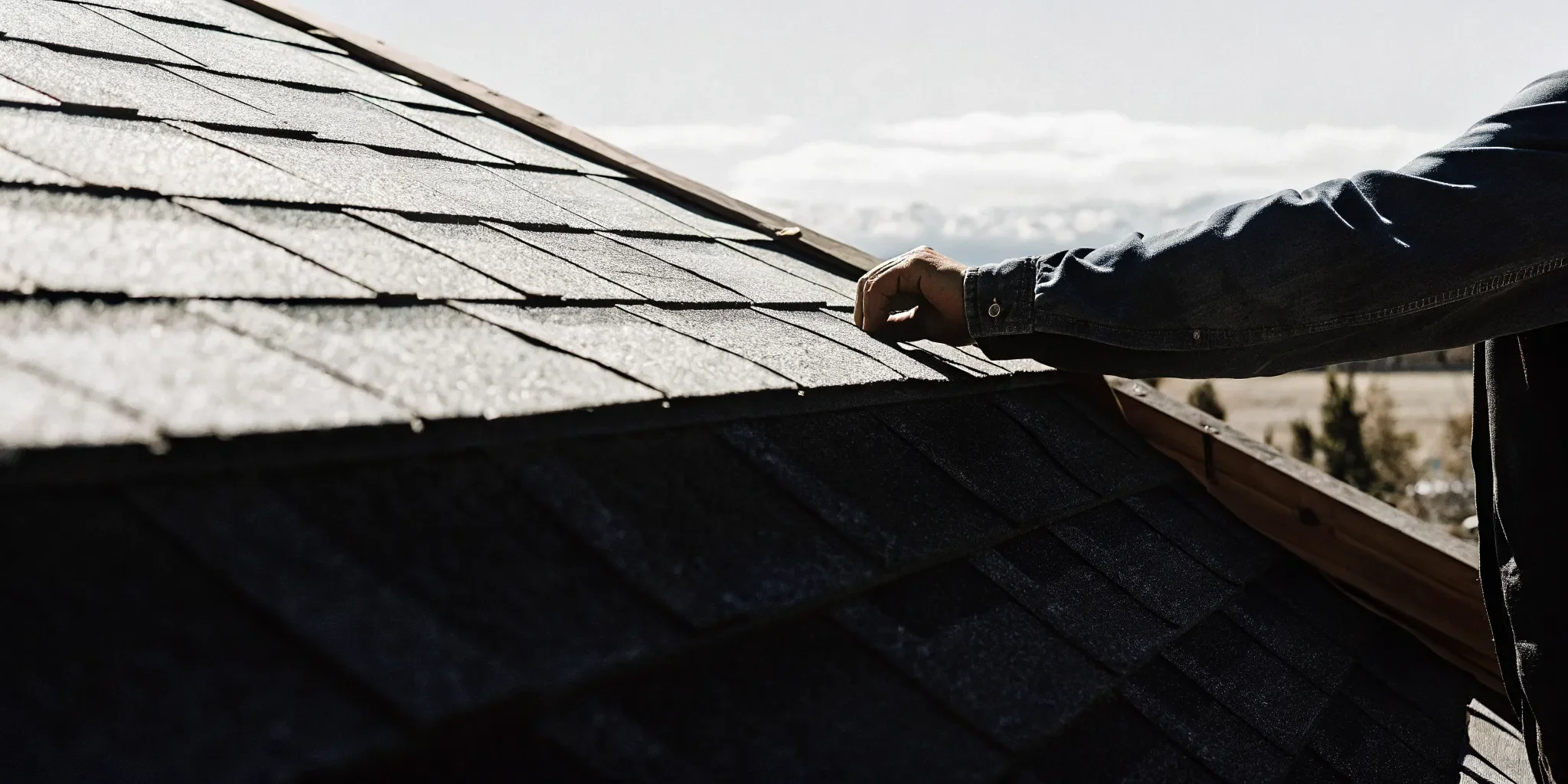
A professional inspection connects shingle condition with the realities of Colorado's mountain climate.
What Happens After Treatment
After application, the treatment works within the shingle material as the roof returns to service. Rejuvenation is different from a coating or sealant that sits on the surface. The objective is to support the shingles' existing flexibility and useful performance rather than hide deterioration beneath a new layer. For a deeper explanation, read about the science behind GoNano technology.
Takeaway: Roof rejuvenation begins with an honest condition assessment, followed by a professional molecular-level treatment designed for appropriate asphalt shingles. GoNano does not promise to fix severe damage. It offers a science-based way to support flexibility and extend usable roof life when the existing shingles remain suitable for treatment.
How Do Roof Coating and Roof Sealant Compare?
Roof coatings and sealants can be useful surface treatments, but they address different concerns from a penetrating roof rejuvenation treatment. For a Colorado homeowner, the distinction matters because an asphalt shingle roof must manage moisture while still responding to intense high-elevation sun, freeze-thaw cycles, and seasonal temperature swings.
What Roof Coatings Do
Acrylic roof coatings generally sit on top of the shingle surface and form a sealing film. That layer may provide a uniform appearance or add surface protection, but it does not restore the asphalt within an aging shingle. Technical comparisons of coating and rejuvenation approaches describe acrylic coatings as sitting on the surface, while rejuvenators are designed to soak into the asphalt shingle material.
That surface position also creates a durability consideration in Southwest Colorado. As the roof heats in strong sunlight and cools at night, the coating and shingle can move at different rates. Over time, thermal expansion may contribute to peeling or cracking, leaving a homeowner with another surface to inspect and maintain.
What Roof Sealants Do
Sealants are primarily intended to protect against moisture. That can make them appropriate for a targeted detail or repair when a qualified roofer identifies a specific vulnerability. But a broad impermeable layer is not the same as restoring worn asphalt. Sealants can also fail when they block shingle breathability, trapping moisture rather than allowing the roofing assembly to release it.
Asphalt shingle rejuvenation takes a different approach. The goal is to restore asphalt properties within sound-to-moderately-aged shingles, rather than simply covering the surface. The distinction is summarized in the available technical comparison: rejuvenators target asphalt properties, while sealers are meant mainly for moisture protection.
When a Surface Treatment Makes Sense
A coating or sealant may have a role when the objective is clearly surface-level, such as protecting a defined detail or changing surface appearance. It should not be presented as a universal answer for brittle, severely damaged, or failing shingles. A professional inspection can identify whether the roof needs a targeted surface treatment, deeper rejuvenation, repair, or replacement.
Takeaway: Coatings create a surface film, and sealants focus on moisture protection. Neither automatically restores the asphalt inside aging shingles, and an impermeable layer can interfere with breathability. Roof rejuvenation is a distinct, penetrating approach for eligible shingles, so the right choice starts with an honest assessment of the roof's condition.
Roof Rejuvenation vs Roof Coating: Which Is Better for Your Home?
These three approaches can sound interchangeable, but they address asphalt shingles in different ways. The most important distinction is whether a treatment is intended to restore the shingle material itself, cover the surface with a protective layer, or provide targeted moisture protection.
Roof treatment approaches compared:
Roof rejuvenation — A treatment designed to penetrate asphalt shingles. Restores flexibility and helps replenish the shingle's existing asphalt rather than covering it. Best for sound-to-moderately-aged asphalt shingles that may benefit from additional service life. Can extend useful roof life; results depend on shingle condition, installation, and application. Typical cost: $3,000-$5,000 for a full-roof GoNano treatment; rejuvenation may cost up to 80% less than replacement.
Roof coating — A liquid coating applied over the roof surface. Creates a protective layer on top of the shingles; acrylic coatings sit on the surface as a seal rather than soaking into the asphalt. Best for roof surfaces where a compatible protective layer is appropriate after a professional assessment. Provides surface protection but does not restore the asphalt within the shingle; durability varies by product, preparation, and exposure. Cost varies by product, roof size, preparation, and contractor; a roof-specific quote is needed.
Roof sealant — A product intended primarily to seal specific areas or protect against moisture. Helps provide moisture protection; sealants are not treatments intended to restore asphalt properties. Best for targeted sealing needs identified during inspection, where the product is compatible with the roof assembly. May protect a treated area from moisture but should not be presented as whole-roof shingle rejuvenation. Cost varies with the area, material, access, and repair scope; inspection is required for an accurate estimate.
For Southwest Colorado homeowners, the choice should follow the roof's actual condition, not the label on a product. Rejuvenation may make sense when asphalt shingles remain serviceable and the goal is to restore flexibility. Coatings and sealants serve different surface or moisture-protection purposes. Review NuRoof asphalt shingle treatments with a qualified professional before deciding.
How to Choose the Right Roof Treatment for a Colorado Home
The right roof treatment begins with the roof in front of you, not with a product label. Start by considering the roof's age, the condition of its asphalt shingles, the demands of Southwest Colorado's climate, and the cost of delaying or avoiding replacement. A treatment can be useful for sound-to-moderately aged shingles, but it is not a substitute for repairing or replacing severely damaged roofing.
Start With Roof Age and Shingle Condition
Age is a useful starting point because asphalt shingles change as their oils and flexibility decline. Look for signs such as brittle edges, visible granule loss, curling, or surface drying, then consider whether the roof remains structurally sound. Missing shingles, extensive leaks, exposed underlayment, widespread storm damage, or severe deterioration may call for repair or replacement rather than rejuvenation.
A professional assessment can separate normal aging from conditions that require a different solution. It also helps identify whether the roof has enough remaining integrity for a treatment to support its service life instead of masking a larger problem.
Account for High-Elevation Weather
Roofs around Durango and the San Juan Mountains face a demanding combination of heavy snow loads, intense ultraviolet radiation at elevation, and repeated freeze-thaw cycles. Those conditions can accelerate wear and make shingle flexibility especially important. When weighing roof rejuvenation vs roof coating, ask how the proposed approach interacts with the existing shingles. Ask about the climate they must withstand, rather than judging the treatment by appearance alone.
Budget matters, too, but the lowest initial quote is not automatically the best value. A treatment should be evaluated alongside the roof's remaining condition, likely maintenance needs, and the cost of a premature full replacement. An honest assessment may identify a practical alternative to replacement when the shingles are still appropriate candidates.
Get a Professional Assessment First
Professional applications are engineered for deeper shingle penetration and can produce different results from DIY surface coatings, according to the supplied industry research. A qualified applicator can inspect the roof and explain what the shingles can realistically support. The recommendation points to an appropriate next step without presenting rejuvenation as a cure for severe damage.
For homeowners in Southwest Colorado, the most useful first move is a free roof inspection. It turns a broad question about treatments into a roof-specific decision based on condition, climate exposure, and budget.
Summary: Choose a roof treatment only after weighing age, shingle integrity, high-elevation weather, and long-term cost. Sound-to-moderately aged asphalt shingles may offer an alternative to premature replacement, while severe damage needs a different plan. A free inspection provides the honest assessment needed to move forward with confidence.
The next step is a conversation, not a product label. Call +15059790475 today to book your free roof inspection in Durango, Cortez, Telluride, Bayfield, Pagosa Springs, Dolores, or Dove Creek.
Frequently Asked Questions
What is the main difference between roof rejuvenation and roof coating?
Roof rejuvenation is designed to penetrate asphalt shingles and help restore flexibility within the shingle material. A roof coating generally sits on the surface as a protective layer or seal. That distinction matters in Southwest Colorado, where intense ultraviolet exposure and repeated temperature swings can challenge surface materials.
Is roof rejuvenation effective for extending roof life?
It can extend the useful life of asphalt shingles that remain sound but have begun to dry and lose flexibility. It is not a repair for severely damaged shingles, active leaks, or structural problems. A professional inspection should confirm that the roof is a suitable candidate before treatment.
How much does roof rejuvenation cost compared with replacement?
High Country Roof Revival typically places a full-roof GoNano treatment at $3,000 to $5,000, while asphalt shingle replacement commonly runs $10,000 to $15,000 for the company's service context. Actual pricing depends on roof size, condition, access, and preparation. These figures are from the customer's business overview, so an inspection is needed for a project-specific estimate.
Are roof coatings or sealants recommended for asphalt shingles?
There is no universal answer. Coatings may create a surface layer, while sealants are primarily intended for moisture protection, and some sealants can limit shingle breathability. The right approach depends on the shingle condition, roof assembly, and the performance demands created by snow, UV exposure, and freeze-thaw cycles.
Can I use a DIY roof coating instead of professional rejuvenation?
DIY coating products can produce different results from professional penetrant treatments. Professional applications are engineered for deeper shingle penetration, and the application method must account for roof condition and coverage.
Updated August 2026 by the High Country Roof Revival team. Info in this guide is based on High Country Roof Revival's asphalt shingle rejuvenation services in Southwest Colorado. Contact our team to discuss your roof.
Ready to Schedule Your Free Roof Inspection?
Choosing among rejuvenation, coating, and sealant starts with understanding your shingles, their condition, and how Southwest Colorado weather affects them. A professional inspection can help clarify which treatment categories are worth considering for your roof. High Country Roof Revival serves homeowners across Durango, Cortez, Telluride, Mountain Village, Bayfield, Pagosa Springs, Dolores, and Dove Creek. Call +15059790475 to schedule a free roof inspection.