
Best Time for Roof Rejuvenation Colorado
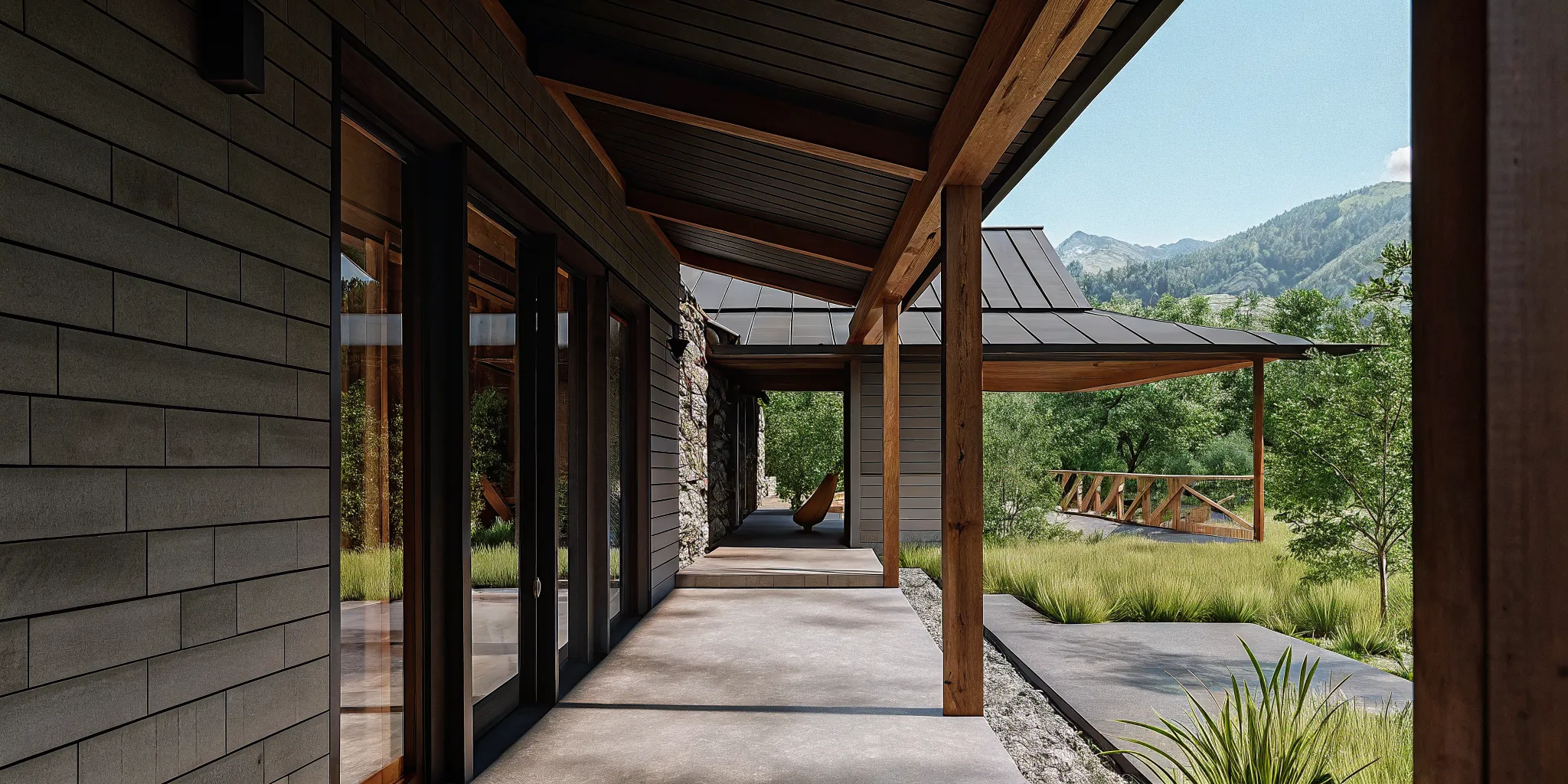
A dry week in late spring or early fall can give Southwest Colorado homeowners a practical window to inspect an aging asphalt roof and plan rejuvenation before intense UV, hail, snow, and freeze-thaw cycles take their toll. The right season matters, but the roof's condition and a clear forecast matter more.
Schedule your free roof inspection with High Country Roof Revival.
The best time for roof rejuvenation Colorado offers is during the mild, dry months of late spring or early fall. These seasons provide the stable weather and steady warmth needed for GoNano nanotechnology to soak deep into your asphalt shingles. In Southwest Colorado, you must avoid high summer heat and freezing winter moisture. Fall is often the best season for roofing work in Colorado because the air is calm and shingles are dry according to industry experts. Booking your service when the sky is clear gives the tiny particles the best chance to seal and fix your roof. This timing ensures your home is ready for the harsh sun and heavy snow of the high country.
Best Time For Roof Rejuvenation Colorado: The best time for roof rejuvenation in Colorado
Plan before harsh weather arrives
For most Southwest Colorado homeowners, the best time to explore roof rejuvenation is before a season of harsh weather, not after damage becomes obvious. Spring and early fall often give you a useful planning window because a professional can inspect the roof. Note any needed repairs, and help you schedule the next step before summer storms or winter snow.
Start with roof condition, not a calendar date
Season matters, but roof condition matters more. Rejuvenation is intended for an aging asphalt shingle roof that still has useful life to protect. It is not a substitute for repairs or replacement when a roof has serious leaks, failed decking, or broad storm damage.
A free inspection gives you a clear starting point. It can show whether your shingles may be a good fit for treatment and whether any repair work should come first. That makes the right time to call simple: schedule before you are forced into an urgent choice.
How each Colorado season affects your roof
Spring and summer bring rain and hail to Colorado. These storms can hurt your roof and cause leaks. It is smart to look for damage after big storms. If you wait, small cracks can grow into large leaks. The summer sun is also a risk for your roof. High rays in Southwest Colorado make shingles dry and brittle. This leads to losing the small rocks on top of the shingles. Keeping your roof strong before the heat starts is a key step for home care.Spring and summer storm prep
Hail season in Colorado often starts in mid-April and lasts through September. Storms are most common in June and can cause big damage to your home. You should look for missing bits or dents on your roof after it hails. Strong winds can also lift shingles and let water in. If you find damage, you may need a free roof inspection to see the full scope. Fixing small issues now stops big costs later. It also gets your roof ready for the strong sun that comes in July and August. Most people wait until they see a leak to act, but being early saves money.Best fall maintenance window
Fall is often the best time for professional roof rejuvenation in Colorado. The air is dry and the weather is steady. The dry air helps the GoNano mix soak into your shingles well. Most pros like this time for work because the roof is not too hot or too cold. Shingles need mild heat to seal and stay soft. Steady fall days give the right setting for this work. It is the best time to fix your roof before the first snow falls. If your shingles are too cold, they can crack during a repair. Fall weather keeps them soft and easy to work with.| Season | Main Risk | Focus Area | Treatment Fit |
|---|---|---|---|
| Spring | Heavy rain | Find leaks | Good |
| Summer | High heat | UV shielding | Fair |
| Fall | Temp drops | Seal cracks | Best |
| Winter | Ice dams | Weight load | Low |
Winter snow and ice impacts
Winter brings heavy snow. This weight can stress the wood under your roof. Ice dams can also push water under shingles and cause leaks inside your walls. These dams form when heat from your home melts the snow on top. Then the water freezes again at the cold edges of the roof. Keeping your roof in good shape before winter is the best way to stay safe. Cold air makes it hard to do most roof work. Most jobs in winter are for urgent repairs only. Plan your deep care for the warmer months to get the best results for your home. You want your roof to be strong before the first big storm hits.How do you know when your roof is ready?
Finding the best time for roof rejuvenation Colorado people should choose is mostly about timing. In Southwest Colorado, our high spot means your roof faces more sun and UV light than in other places. This harsh light dries out the natural oils in your asphalt shingles. When shingles lose these oils, they become brittle and can crack.
You may notice small bits of grit in your gutters. This grit shows that your roof is losing its top shield and needs help to stay strong. It is vital to find these signs early to save money on a new roof.
Signs of shingle wear and aging
You can check for signs of wear from the ground. If your shingles look dry or have lost their rich color, they may be ready for a fix. High UV levels and big shifts in heat in towns like Durango or Telluride make shingles grow and shrink. Over time, this stress leads to cracks that let water in.
Rejuvenation helps by adding oils back into the shingles to keep them soft and tough. According to the U.S. Department of Housing and Urban Development, regular checks are key to stop moisture from hurting your home.
The oils we use are safe for your home and the earth. They are made from natural plants and help the shingles hold onto their grit. When the grit stays on the roof, it blocks the sun. This keeps the roof cool and stops the asphalt from breaking down.
Using these oils can help you avoid the high cost of a full replacement. It also keeps old shingles out of the dump. This makes it a smart choice for people who want to save money and stay green.
The right time for a fix
The goal is to catch your roof while it is still in good shape. Rejuvenation works best before the shingles start to curl or fall off. If your roof has many leaks or missing parts, it may be too late for a simple fix. In those cases, you might need a new roof.
For most roofs that are 10 to 15 years old, a quick treatment can add 5 to 15 years of life. You can read more about the best time for professional roof rejuvenation to see if your home is a fit.
Why an expert check helps
You do not have to guess if your roof is ready for a fix. A pro can tell the difference between normal wear and deep damage. This is very helpful after hail storms, which are common in Colorado from April to September. Experts check for loose parts and bad seals that you might miss.
We offer a free roof inspection to help you find the best path. This check ensures your roof can handle the harsh mountain sun and snow for many more years.
How to plan roof rejuvenation before weather changes
Planning for roof care helps you avoid the stress of sudden leaks or storm damage. The best time for roof rejuvenation Colorado homeowners should aim for is during the dry windows of spring or early fall. Proper timing ensures the treatment bonds well with your shingles before the heavy snow or intense heat arrives. Following a clear set of steps makes the process smooth and keeps your home safe.
Check for treatment eligibility
Not every roof is a candidate for rejuvenation. You must first find out if your shingles are still in good enough shape to hold the particles. If your shingles are too brittle or have lost most of their granules, they may need a full replacement instead. A free roof inspection is the first step to see if your home can benefit from this science. This check looks for cracks, soft spots, and other signs of wear that might hinder the work.
Find the right weather window
The weather in Southwest Colorado can change fast, so you need a stable period for the work. Most roofing experts say that dry and stable conditions are needed for asphalt products to set right. For the nanotechnology to soak into the shingles, the surface must be clear of rain and ice. Aiming for seasonal roof maintenance timing in late summer or early fall often gives the best chance for a successful application.
Book your initial check. Contact a pro to set up a time to walk your roof and check its health.
Review the report. Go over the findings to see if your roof fits the needs for rejuvenation or if repairs are needed first.
Pick a date. Choose a week with a clear forecast to ensure the nanotechnology has time to bond without rain.
Prepare the area. Clear any debris from around the house and make sure the crew has easy access to the roofline.
Watch the bond. After the work is done, the shingles will start to gain back their natural oils and flexibility.
Maintain your home's shield
Once the rejuvenation is complete, you should keep up with regular roof inspections to catch small issues early. This help keeps moisture out and prevents long-term damage to your home. High Country Roof Revival can help you track your roof's health over time. Taking these steps now ensures your roof stays strong for years to come.
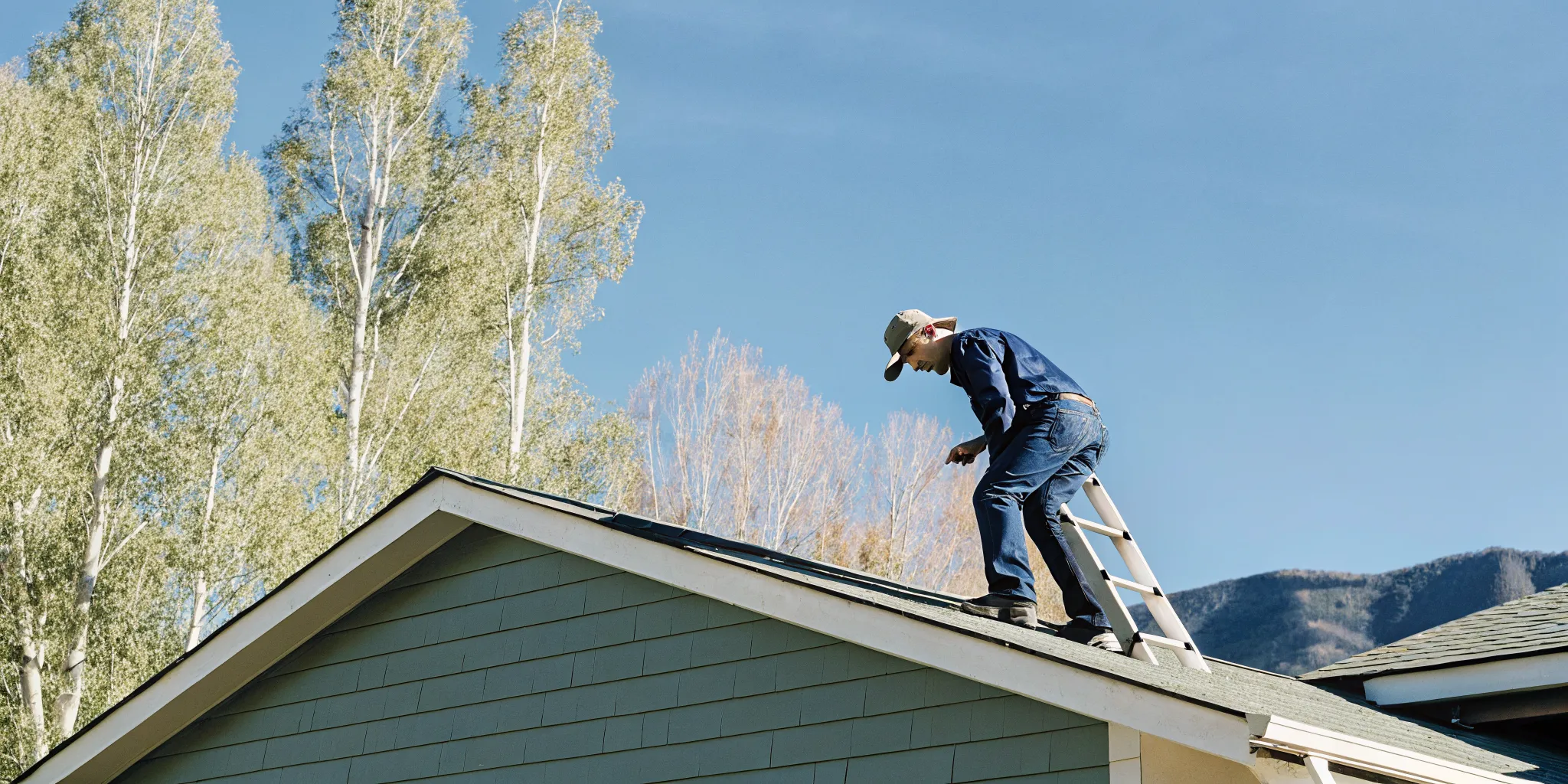
Why Southwest Colorado weather changes the timing
Southwest Colorado has some of the most harsh weather in the country. Our high height means the sun hits roofs with intense power every day. This high UV light dries out the oils in asphalt shingles. Over time, shingles become dry and lose their power to shield your home. Local weather also includes fast shifts from hot sun to cold rain. These cycles can make your roof age much faster than it would in other places.
Homeowners must plan around these local patterns to get the most from their roofs. Choosing the best time for roof rejuvenation Colorado offers requires looking at the calendar. You want a time when the weather is dry and the air is not too hot or too cold. This helps the treatment soak into the shingle layers the right way.
Managing hail and intense UV rays
The hail season in Colorado often runs from mid-April to mid-September. Most big storms happen in June, which can cause real harm to a dry roof. If your shingles are already weak, hail can crack them or knock off the stone bits. This leaves the soft asphalt open to more sun damage. According to the Department of Housing and Urban Development, checks help find issues before they lead to leaks.
Intense sunlight is another big factor for homes in Durango or Telluride. UV rays break down the bonds that hold shingles together. This leads to the loss of their natural give. By treating your roof before the peak of summer, you can help it stay soft. This allows the roof to handle the hit from a hail stone without cracking as easily.
The impact of snow and freeze-thaw cycles
Winter brings heavy snow loads to the high country. As snow melts and freezes, it turns into ice. This ice can get under shingles and pull them up. It also puts a lot of weight on the roof deck. If your shingles are weak, they may crack under this pressure. Rejuvenation helps shingles stay soft so they can bend slightly under the weight instead of breaking.
The shift between freezing nights and warm days is hard on roofs. Asphalt shingles grow and shrink as the weather changes. If the shingles have lost their natural oils, they will crack during these shifts. You need optimal climate conditions for nanotechnology absorption to fix this. When the treatment goes deep into the shingle, it restores the oils that keep the roof strong.
Finding the best window for work
Spring and early fall are often the best times for roofing work in our area. These seasons offer mild air that is perfect for shingle care. The University of New Hampshire notes that asphalt parts need dry spaces to work well. In Southwest Colorado, spring provides a good gap between the winter snow and the summer hail storms.
Fall is also a great choice. It allows you to prepare your home before the first heavy snow hits. By adding oils back into your shingles in September, you give them the strength they need for winter. This smart step helps you avoid costly leaks during the spring melt. It is a good way to get more years out of your existing roof.
Should you wait until the roof looks damaged?
Many people think they should wait for a leak before they fix a roof. But in the Southwest, the sun is very harsh. High UV rays dry out the oils in your shingles over time. This makes them brittle and weak. Brittle shingles can crack when big hail hits. Waiting for a leak means the wood under the shingles is likely wet. This can lead to mold or rot in your home.
The risks of waiting too long
The best time for roof rejuvenation Colorado is before you see major wear. If you wait for shingles to curl or lose their grit, it might be too late. Our service works best on shingles that are still in good shape. It adds back the oils they have lost to the sun. This helps them stay soft and strong. Finding issues early saves you from the high cost of a new roof.
Why inspections are the first step
A real check is the only way to know if your roof is healthy. You cannot see every small crack from the ground. An expert will look for loose grit and worn spots. This helps find small problems before they become big leaks. Checks help keep water from getting inside your walls. The Department of Housing and Urban Development says that inspections stop long-term damage.
You should book a free roof inspection if your roof is over six years old. This is the age when shingle oils start to dry out. An expert can tell if your roof is a good fit for our deep science treatment. They will look for signs of aging that most people miss. Catching these signs early is the best way to keep your home safe. It also helps you plan for the future without any stress.
Rejuvenation is not a patch
It is vital to know what our service can and cannot do. It is a way to extend the life of an aging roof. It is not a way to fix a roof that is already broken. If you have big holes or missing parts, you need a repair first. Our treatment will not stop a leak that is already there. It is meant to stop leaks from starting in the first place.
For roofs with bad damage, a new roof is often the only safe path. But many roofs are tossed out far too soon. Our process can add five to fifteen years of life to a sound roof. This is why the best time for professional roof rejuvenation is while the roof still looks okay. Using it early keeps your shingles healthy and helps you avoid a big bill. Proper care now means you can relax when the next storm hits.
When should Southwest Colorado homeowners schedule?
Timing your roof care is key to getting the most out of your shingles. In Southwest Colorado, our high altitude and intense sun make roofs age faster. Finding the best time for roof rejuvenation Colorado homeowners can choose depends on two things: the weather and the state of your shingles. You want to act before the wood or asphalt gets too brittle to save.
Look for dry weather windows
The GoNano process needs dry shingles to work well. This treatment uses tiny particles that sink deep into the roof surface. If the roof is wet, the treatment cannot bond as it should. Most local owners find that spring and early fall offer the best windows. During these times, the air is usually dry and the sun is not too hot.
Mild temperatures also help the treatment soak in. Extreme heat can make the oils dry too fast, while cold can stop them from moving. Research shows that asphalt shingles need the right ambient and substrate temperatures to stay flexible. Planning your project during the mild months ensures the GoNano particles reach the core of each shingle.
Avoid the peak hail season
Southwest Colorado is known for its summer storms. Hail season in our state often runs from mid-April through mid-September. June is usually the most active month for these storms. If you wait until after a big storm to check your roof, you may already have leaks or deep damage. It is better to treat your roof when it is still in good shape.
Early checks can save you from big repair bills later. By finding small issues before a storm hits, you keep moisture from getting into your home. A regular inspection helps find weak spots that might fail when it hails. Saving your roof before the shingles start to shed their gravel is the smartest move for your budget.
Plan for your local service area
At High Country Roof Revival, we serve a large part of the region, from the Durango hub out to Cortez and Telluride. We also visit homes in Bayfield, Pagosa Springs, Dolores, and Dove Creek. Because we travel to these mountain towns, our schedule fills up fast during the peak months. People in these areas should plan ahead to get their preferred dates. Most folks start calling in late winter to set up a spring visit.
The best way to start is with an expert look at your roof. Our team will check the age and health of your shingles to see if they are ready for GoNano. This step takes the guess work out of the process. You can book a free roof inspection today to find out if now is the right time for your home. Taking action early helps your roof last much longer against the harsh mountain air.
Request your free roof inspection before the next season of harsh Colorado weather.
Frequently Asked Questions
What is the best time of year for roof rejuvenation in Colorado?
Fall is often the best time for roof work in Colorado. The mild and stable weather allows the treatment to soak deep into the shingles. According to industry experts, these conditions help the sealant bond well before the first snow. This timing ensures your roof is ready to handle the heavy ice and moisture of a mountain winter.
Why is spring a good season for roof work in Colorado?
Spring provides mild temperatures between 50 and 70 degrees, which are ideal for applying new roof treatments. This season lets homeowners find and fix any damage caused by winter ice and snow. Fixing these issues early prevents leaks during the rainy months. A spring treatment helps your roof stay flexible and strong during the high sun exposure of the coming summer.
Can you rejuvenate a roof during a Colorado winter?
Winter is usually not the best time for roof rejuvenation in Southwest Colorado. The product needs dry shingles and mild weather to work well. Deep cold and snow can stop the natural oils from soaking into the roof properly. It is better to wait for a dry window in the spring or fall when the air is warm enough for bonding.
How does hail season affect roof rejuvenation timing?
The hail season in Colorado usually runs from mid-April to mid-September. Weather experts at the CoCoRaHS network note that the most severe storms often hit in June. Rejuvenating your roof before this window can help shingles stay flexible and resist hail impact. If your roof already has hail damage, a roof check is needed to see if the structure is still a good fit for rejuvenation.
Schedule your free roof inspection
The best season to act starts with knowing what your roof needs today. High Country Roof Revival helps homeowners across Southwest Colorado assess asphalt shingles before the next round of sun, hail, snow, and freeze-thaw weather.
Schedule a free roof inspection now so you can understand your roof's condition and plan the right next step. Call (505) 979-0475 to request your inspection and discuss timing for your home.
