
Granule Loss on Roof Shingles: Restore or Replace?
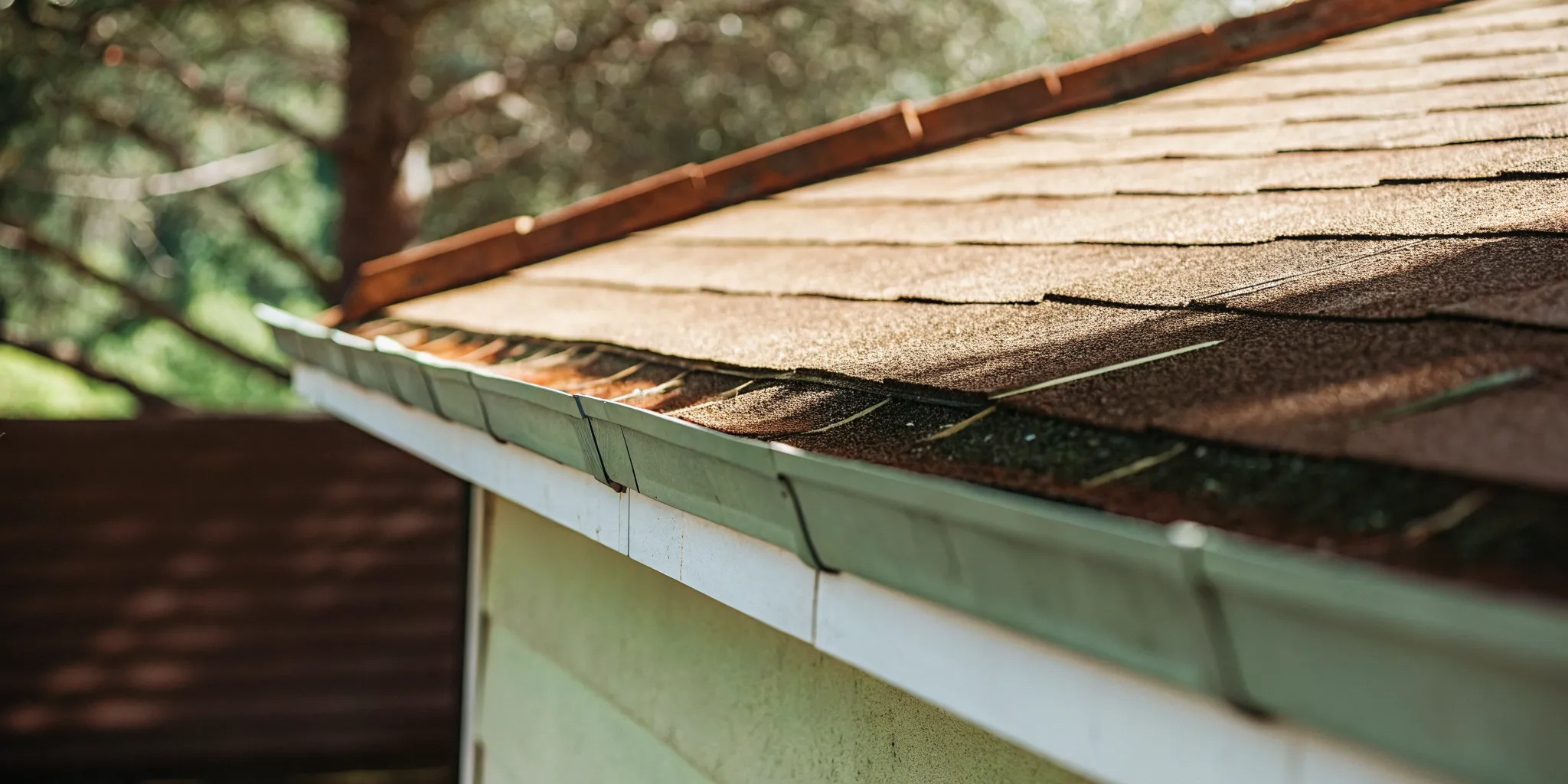
Granule loss on roof shingles is a natural part of the aging process for asphalt roofs in Southwest Colorado. These mineral pieces fall off slowly over time due to sun exposure, wind, and heavy snow cycles. You might see a few granules in your gutters after a storm or on a new roof. This is often normal and does not mean you need a new roof right away. However, advanced loss that shows the shiny fiberglass mat underneath is a major warning sign. According to High Country Roof Revival, normal granule loss is a gradual process caused by UV light and age. If shingles still have their oils and can bend, you can use nanotechnology to save the roof. This treatment binds granules back to the mat to stop wear.
What granule loss on roof shingles means
Your roof uses a layer of small mineral stones to stay strong. These stones, called granules, act as a shield for the asphalt underneath. Without them, the sun and rain can quickly wear down your home. Knowing the difference between normal wear and a serious problem helps you save your roof.
The role of shingle granules
Makers use mineral stones to protect the asphalt mat from sun rays and weather. The Environmental Protection Agency says these granules are part of the main process that makes shingles last. They keep the shingle from getting too hot and help it shed water. Over time, these stones can fall off as the shingle ages and loses its natural oils.
Normal shedding vs advanced loss
Most roofs lose some stones naturally. You might see a small amount of grit in your gutters after a big storm or when your roof is brand new. This is usually not a cause for worry. But if you see large bald spots where the black mat or glass fibers show through, your roof is in danger. This level of early signs of granule loss often means the shingles are too brittle to shield your home.
Spotting the signs of trouble
It helps to check your roof for clear signs of damage. If your roof is between 6 and 20 years old, you may notice it looks thin or faded. This happens because asphalt shingles lose their flex as they dry out. Research from the University of Colorado shows that losing these stones makes the roof more likely to suffer from hail damage or leaks.
| Sign of Loss | Normal Wear | Serious Damage |
|---|---|---|
| Gutter Grit | A thin layer of sand | Piles of thick granules |
| Shingle Color | Even color across roof | Dark or shiny bald spots |
| Fiberglass Mat | Mat is fully covered | White glass fibers show |
| Shingle Surface | Flat and smooth | Cracks or deep pits |
If you are identifying granule loss on your own roof, look for these major changes. Catching these signs early can help you avoid a full roof replacement. Our team can help find the best way to keep your roof safe from the harsh weather in Southwest Colorado.
Is granule loss on shingles normal?
Finding small bits of stone in your gutters can be scary. Most homeowners worry that their roof is failing, but some loss is part of the life of a roof. Most early signs of granule loss are quite common and not a cause for alarm. Knowing when to act can save you money and stress.
Mineral granules are the first line of defense for your home. They shield the asphalt mat from the elements. Without them, your roof would quickly break down. Knowing why these stones fall off is the first step in roof care.
New roof shedding
If you just got a new roof, you may see many granules in your downspouts. This is normal. Shingle makers add extra granules during the making process to ensure full coverage. These loose bits often wash away during the first few rains after the job is done.
This early loss does not mean your new shingles are bad. The extra stones fall off as the crew walks on the roof. They also drop during the shipping and packing of the bundles. You should only worry if you see bare spots on the shingles themselves.
Normal wear and weather
Over time, wind and rain will pull granules off your roof. The sun also plays a big role in this process. Mineral granules provide a shield against UV rays and harsh weather. As your roof gets older, the asphalt that holds these stones in place starts to dry out.
In Southwest Colorado, our roofs face tough weather. Intense sun and heavy snow can speed up aging. Hail damage can also knock loose more stones than usual. Seeing a small amount of grit in your gutters after a storm is often just part of local roof life.
Age is the most common cause of granule loss on roof shingles. As the oils in the asphalt dry up, the shingles become brittle. They lose their grip on the stone coating. This is why older roofs shed more than middle-aged ones.
When to call an expert
While some loss is normal, too much loss is a problem. You should look for bald spots where the shingle looks smooth or shiny. This means the protective layer is gone. Finding granule loss early can help you avoid a full roof replacement.
If you can see the white or silver fiberglass mat under the granules, your roof is in trouble. This level of damage means the shingles can no longer shed water well. At this stage, you may need a free inspection to see if your roof can be saved. Rejuvenation works best before the damage goes too deep.
Keep an eye on your gutters during your yearly cleaning. A thin layer of dust is fine. But if you find piles of granules or shingle sand, it is time for a check. A quick look by a pro can tell you if your roof needs help or just more time.
How can you identify advanced granule loss?
You can find early signs of granule loss on roof shingles without even climbing a ladder. Look at your roof during the day when the sun is high. This makes it easier to spot changes in the color or shape of your shingles. In Southwest Colorado, our harsh sun and heavy snow speed up this process.
Visual signs from the ground
Most people first notice bald patches or dark spots. These spots look like the shingle is missing its rough coating. When the mineral surface is gone, the inner asphalt is exposed to the air. This asphalt will look shiny or black compared to the rest of the roof.
You should also look for shiny or bright spots in your gutters or at the base of your downspouts. These are often the actual granules that have washed off. Small amounts are normal for a new roof, but large piles mean your shingles are losing their grip.
Common patterns of failure
Deep wear often shows up in random patterns. You might see one side of the roof looking much older than the other. This happens because some parts get more sun or wind. If you see shingles curling at the edges or cracking, the oils that keep them soft are likely gone.
When shingles get brittle, they cannot expand and contract with the heat. This leads to more identifying granule loss and later leaks. If you see exposed fiberglass, your roof has reached a high point of wear.
Why a pro check matters
While you can see a lot from the ground, a pro can find what you might miss. Walking on a damaged roof can cause more harm. Brittle shingles can snap under your feet, which makes the problem worse.
A tech will look for structural issues that go deeper than the surface. They can tell if your roof is a good choice for asphalt shingle rejuvenation service or if it needs a new roof. According to the Environmental Protection Agency, mineral granules are a key part of shingle strength.
- Check your gutters for piles of small, sand-like stones.
- Look for dark or bald patches where the shingle looks smooth.
- Scan for shingles that are curling, cupping, or have visible cracks.
- Search for shiny areas that show the fiberglass mat underneath.
- Look for uneven wear where one section looks much worse than others.
- Check for water stains on your ceiling that may signal a leak.
What causes shingles to lose granules?
Every asphalt roof loses some granules over its life. This gradual aging process comes from daily exposure to UV light, wind, and rain. In Southwest Colorado, our high elevation makes these factors even more intense. Knowing why granules fall off helps you decide if you need a free inspection consultation to check your roof's health.
Weather and high elevation sun
In towns like Durango and Telluride, the sun is a major cause of identifying granule loss. Asphalt shingles stay flexible because of natural oils. Over time, the sun's heat causes these oils to dry out. As the asphalt becomes brittle, it loses its grip on the mineral granules. These granules are vital because they protect the roof from UV rays and weather damage.
Big shifts in heat also play a role. Our region sees large swings between hot days and cold nights. This cycle causes shingles to expand and shrink. This movement slowly breaks the bond between the granules and the asphalt mat. When this bond fails, the granules wash away into your gutters during rain or snow melt.
Hail and storm damage
Hail is a common source of sudden granule loss. When hail hits a roof, the force can knock granules loose or drive them into the shingle mat. Heavy storms can create pits or cracks in the surface. While some shingles are made to resist cosmetic damage from hail, many older roofs remain at risk. If you see spots where the fiberglass mat shows, your roof has reached a stage of severe decay.
Physical wear and foot traffic
Walking on your roof can also cause early signs of granule loss. The weight of a person can crush the protective layer or scuff it off. This is why you should limit roof traffic to needed repairs or expert checks. Other physical causes include tree branches rubbing against the shingles during high winds. These branches act like sandpaper, quickly wearing down the protective mineral surface.
Manufacturing and new roof runoff
If your roof is brand new, you might find many granules in your gutters. This is often normal. During asphalt shingle manufacturing, makers add extra granules to ensure full coverage. Many of these extra granules stay on the surface but are not truly stuck in the asphalt. The first few heavy rains will wash these extra pieces away. This type of loss is not a sign of a bad roof or early failure.
When can a roof with granule loss be rejuvenated?
Seeing granule loss on roof shingles can be a big worry for any home owner. You might think those small bits of rock in your gutters mean your roof is failing. But in many cases, your roof is just showing its age. It may still be strong enough to save. Rejuvenation works best when you catch the early signs of granule loss before the shingles get too brittle or thin. If the mat is still in good shape, we can often give it a new lease on life.
Signs your roof is a good fit
Timing is a key part of roof care. For a roof to work well with our treatment, the shingles must still have some life left in them. We look for roofs that show normal wear from the sun, snow, and rain. If your roof is between 6 and 20 years old, it is often in the best spot for our service. This is when the asphalt is starting to dry out but has not yet broken down. Here are a few signs that your roof might be a good fit:
- The shingles are still flexible and do not snap when touched.
- The edges of the shingles are flat and not curled or bent.
- There are no large areas where the grit has all worn away.
- Your attic and ceilings are dry with no signs of active leaks.
You can check for these signs at your home. A good roof for our work will not have big, bald spots where the black mat shows through. It should also be dry inside your house. If you have active leaks, the roof may have deep damage that a surface fix cannot stop. We focus on keeping good roofs strong so you do not have to buy a new one too soon. Our goal is to stop the damage before it gets out of hand. By acting now, you can help your roof last much longer than you thought.
The role of an expert check
At High Country Roof Revival, we use science to check every roof. We do not just guess if a roof will work. Our team does a full check to see if your shingles can still hold a treatment. We work with people in Southwest Colorado, from Durango to Telluride. These areas face harsh sun and heavy snow, which can be hard on a roof. You can see how our asphalt shingle rejuvenation service works to protect your home. We use nanotechnology to reach deep into the shingle and bring back its bounce.
During our check, we look at how much grit your shingles have lost. Small amounts of loss are normal. In fact, mineral granules are used when shingles are made to shield them from the sun and wind. If most of those granules are still there, we can help them stay put. Our GoNano treatment soaks into the asphalt and binds the grit back to the mat. This stops more loss and keeps your roof tough against the mountain weather. It turns a brittle shingle back into a flexible shield that can handle the heat and cold.
When a new roof is the better choice
We love saving roofs, but we are always honest. Some roofs are too far gone to save. If your shingles are very thin, they might snap when we walk on them. This level of wear often means the fiberglass mat is in danger. Studies show that total granule loss leads to erosion of the mat underneath. This ruins the way the shingle sheds water. In these cases, we will tell you that a new roof is the safer and better choice for your family. We never want to treat a roof that will not last.
Our goal is to give you a clear plan. By identifying granule loss early, you can act while the shingles are still in good shape. We do not promise that every roof can be saved, but many are great fits. A quick check now can save you a lot of money and stress later. We want to help you get the most out of your home without the fear of a leak or a huge bill. Our team is here to help you make the best choice for your roof and your wallet.
When does granule loss mean the roof needs replacement?
Granule loss alone does not automatically mean an asphalt roof must be replaced. Replacement becomes the safer choice when the loss is one part of broader material failure. Widespread bald areas, exposed fiberglass mat, curled or cracked tabs, missing shingles, repeated leaks, and soft roof decking all point beyond a surface-level problem.
Look at the whole roofing system
A professional should evaluate the shingles, flashing, penetrations, underlayment indicators, ventilation, and roof deck. If shingles have become brittle enough to crack when gently handled, they may not be suitable for rejuvenation. Active leaks or structural damage must also be repaired rather than covered by a surface treatment.
Localized storm damage may call for a targeted repair. While uniform wear across multiple slopes can indicate that the roofing system is approaching the end of its useful life. The right decision depends on the pattern and severity of deterioration, not simply the amount of loose material found in one gutter.
Replacement is appropriate when restoration cannot provide a sound result
Rejuvenation is intended for qualifying asphalt shingles that remain structurally sound. It is not a substitute for replacing failed decking, correcting major installation defects, or stopping an established leak. If an inspection finds widespread exposed mat or shingles that can no longer perform as a reliable water-shedding layer, replacement is generally the responsible option.
Homeowners should be cautious of anyone who recommends a treatment or a replacement without first inspecting the roof. A balanced assessment should clearly explain the visible evidence, the roof's overall condition, and why the recommended path fits that condition.
What happens during a professional granule-loss inspection?
A professional inspection turns loose granules and visible color changes into a more complete picture of roof condition. The inspector looks at every accessible slope, paying attention to whether loss is uniform, concentrated below downspouts, or associated with impact marks and exposed asphalt. They also evaluate cracks, curling, lifted tabs, flashing, roof penetrations, and signs of moisture entry.
Inspection findings guide the restore-or-replace decision
The most important question is whether the asphalt shingles remain structurally sound. A roof may still be a rejuvenation candidate when it has early signs of aging but retains consistent coverage, functional flashing, and no widespread failure. If the inspection reveals extensive bald spots, brittle shingles, active leaks, or damage beneath the roofing, repair or replacement may be necessary.
High Country Roof Revival evaluates qualifying asphalt roofs for rejuvenation rather than assuming every aging roof needs replacement. Homeowners can also review the company's shingle rejuvenation service before scheduling an assessment.
Prepare helpful information before the visit
If possible, note when the roof was installed, when granules first appeared in gutters, and whether shedding followed hail, wind, maintenance work, or a recent installation. Photos taken safely from the ground can help document changes over time. Mention any ceiling stains, attic moisture, or prior repairs so the inspector can investigate those areas.
For homeowners across Southwest Colorado, a qualified on-site assessment is the clearest way to separate normal wear from deterioration that needs action. You can schedule a free roof inspection to learn whether your roof may be restored or needs a different solution.
Frequently Asked Questions
Is it normal to find granules in my gutters after a new roof installation?
Yes. It is common to see loose granules in your gutters right after a new roof job. This often happens because makers add extra bits during the build. These extra parts fall off during the work or the first few rain storms. If the loss stays small, it is not a sign of a bad roof.
Can hail cause granule loss on roof shingles?
Yes. Large hail stones can hit your roof with a lot of force. This hit can knock the small bits loose or even crack the shingle. Based on hail research, strong shingles help stop this type of damage. If you see bald spots after a storm, you should have a pro check for leaks.
Why is shingle granule loss bad for my roof?
Granules protect your roof from the sun. Without them, UV rays can dry out the asphalt and make it brittle. As the oils dry up, the roof loses its way to move with the weather. This leads to cracks and leaks. Based on the EPA, these granules are key for roof life and safety.
How can I tell if my roof shingles have severe granule loss?
You can find big loss by looking for bald spots or marks on the shingles. If you see the shiny mat below, your roof has hit a hard point. Based on High Country Roof Revival, this often means you need a new roof. Checking your gutters for thick piles of sand is also a good sign of high wear.
Get a clear answer about your roof
Granules in a gutter do not tell the whole story. A professional assessment can show whether your shingles are experiencing normal wear, remain candidates for rejuvenation, or need repair or replacement. High Country Roof Revival helps Southwest Colorado homeowners make that decision based on the roof's actual condition.
Schedule your free roof inspection and get a practical recommendation for your next step.
