
Cost to Replace Roof: A Complete Homeowner's Guide
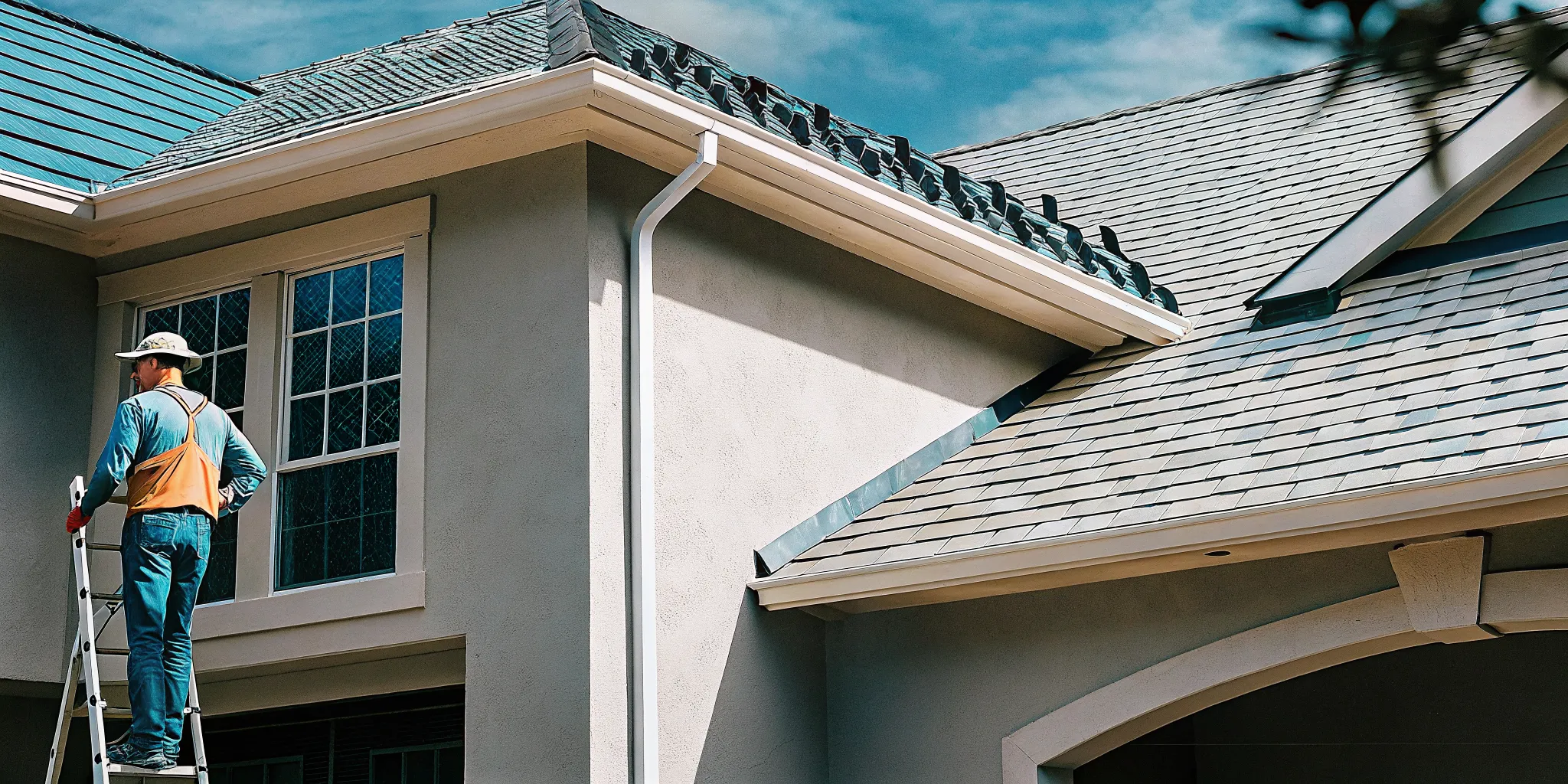
Your asphalt shingles are starting to look dry and brittle, and you’re seeing more and more granules in your gutters. The immediate thought is often, “I need a whole new roof.” But before you start budgeting for a massive replacement project, it’s important to ask if that’s your only option. The high cost to replace roof makes it essential to explore every alternative. This guide will not only break down the expenses of a full replacement but also help you determine if your roof is a candidate for rejuvenation, a modern process that can add years of life for a fraction of the price.
Key Takeaways
- Understand the full cost breakdown: The final price of a new roof goes far beyond the materials. Labor, your roof's complexity, tear-off fees, and potential structural repairs are all significant factors that shape your total investment.
- Vet contractors by comparing detailed quotes: Don't just look at the bottom line. A trustworthy estimate will include specific line items for materials, underlayment, and warranties, which helps you spot red flags and make a true apples-to-apples comparison.
- Consider rejuvenation to delay replacement: A full tear-off isn't always necessary. If your shingles are aging but structurally sound, a rejuvenation treatment can restore their flexibility and add years of life to your roof for a fraction of the cost.
How Much Does a New Roof Really Cost?
Let’s talk about the elephant in the room: the cost of a new roof. It’s a big number, and it’s one of the most significant investments you’ll make in your home. Seeing a five-figure estimate can be jarring, but understanding what goes into that price tag can make the process feel much more manageable. The final cost isn't just one number; it's a combination of materials, labor, and the unique features of your home.
Before you even get a quote, it helps to have a general idea of what to expect. Knowing the averages and the factors that influence them will empower you to have more informed conversations with contractors and make the best decision for your property. We'll break down the typical costs so you can see where your money is going and why. This knowledge is your best tool for budgeting effectively and avoiding surprises down the road.
Understanding the Average Cost
When you start researching, you'll find that the average roof replacement cost typically falls somewhere between $10,000 and $20,000. That’s a wide range, and for good reason. The final price depends heavily on the materials you choose, the size of your roof, and how complex the job is. Think of it like buying a car; a basic sedan will have a very different price tag than a luxury SUV with all the upgrades.
This cost covers everything from tearing off the old shingles to laying down the new ones, including labor and disposal fees. It’s a major project, which is why the price reflects the amount of work involved. Seeing this average can be a bit of a shock, but it’s a realistic starting point for planning and budgeting for such a crucial home improvement project.
Breaking It Down Per Square Foot
To get a more detailed picture, it helps to look at the cost per square foot. This is how most roofing contractors will calculate their estimates. On average, you can expect to pay between $6.30 and $12.30 per square foot for a new roof. For a standard asphalt shingle roof, which is the most common type in the country, the basic installation cost often lands between $5.00 and $7.00 per square foot.
Thinking in these terms makes it easier to compare different materials and quotes. For example, if you know your roof is 2,000 square feet, you can do some quick math to see how a $6-per-square-foot material compares to one that costs $9. It’s a practical way to understand the direct impact of your material choices on your total budget.
How Roof Size and Complexity Affect Price
Two of the biggest drivers of your final cost are the size and complexity of your roof. A larger roof naturally requires more materials and more hours of labor, which directly increases the price. But it’s not just about square footage. The shape of your roof plays a huge role, too. A simple, single-slope roof is far easier and faster to work on than a roof with multiple gables, steep pitches, valleys, and dormers.
Labor typically accounts for about 60% of the total replacement cost, so anything that makes the job more difficult or time-consuming will raise the price. Steep roofs require extra safety equipment and slower, more careful work. Complex designs mean more cutting and fitting of materials. These factors are why a roofing calculator will always ask for details about your home’s structure to give you a more accurate estimate.
What Factors Into Your Roof Replacement Cost?
When you get a quote for a new roof, you’re looking at a number that reflects much more than just a pile of shingles. A roof replacement is a major construction project, and the final price tag is a blend of materials, skilled labor, and the unique details of your home. Understanding what goes into that number is the best way to feel confident in the estimate you choose. It helps you compare quotes fairly and spot any red flags.
Thinking through these costs is also the first step in deciding if a full replacement is your only move. Sometimes, the underlying issues with an aging roof can be addressed with newer, more scientific solutions that restore its flexibility and protective qualities. Learning about the science behind roof rejuvenation can help you see if there's a path to extend your roof's life before committing to a costly replacement.
From the materials you pick to the time of year you schedule the work, several key factors will shape your total investment. Let’s walk through the five biggest variables so you know exactly what to expect when the quotes start rolling in.
Your Choice of Roofing Material
The single biggest decision that affects your budget is the type of roofing material you select. Asphalt shingles are the most common choice for residential roofing in the US because they offer a great balance of affordability and durability, with a typical replacement costing between $5,840 and $10,100.
However, your options don’t stop there. Materials like metal, tile, or wood shakes come with higher upfront costs but may offer a longer lifespan or a specific aesthetic. The type of roofing material you choose directly influences not just the initial price but also the long-term performance and how soon you might need to think about this process again.
The Cost of Labor
Don’t be surprised if the cost of labor makes up more than half of your total estimate. In fact, labor often accounts for about 60% of a roof replacement bill. This cost covers the team of skilled professionals who will be working on your home. It includes the experienced roofers who meticulously install your new shingles and flashing, as well as the general laborers who handle the demanding work of tearing off the old roof and ensuring your property is clean and safe when the job is done.
Paying for experienced labor means you’re paying for expertise, safety, and efficiency. A professional crew knows how to handle challenges and complete the job correctly, protecting your home for years to come. The cost of labor is an investment in a job done right.
Your Roof's Pitch and Accessibility
Not all roofs are created equal. The specific architecture of your home, particularly your roof's slope (or pitch) and its overall accessibility, plays a significant role in the final cost. A steeper roof is more dangerous and difficult to work on, requiring extra safety precautions and specialized equipment. It also has a larger surface area than a flatter roof of the same home footprint, which means more materials are needed.
Similarly, a two-story house will cost more to re-roof than a single-story rambler. The added height makes it more complex to get materials up to the roof and to remove old debris. These factors increase the time and risk involved, which is reflected in the labor costs of your quote.
Your Location and Local Rates
Where you live has a direct impact on what you’ll pay for a new roof. Material and labor costs can change quite a bit from one region to another. The rates in a major metropolitan area are often different from those in a smaller town, and what a homeowner pays in Southern California won't be the same as someone in Southwest Colorado.
Local building codes, permit fees, and disposal regulations also vary by municipality, adding another layer of location-specific costs. Because the actual cost of your project is so dependent on your specific location, it’s essential to get quotes from qualified local contractors who understand the market and requirements in your area.
The Time of Year You Choose
Roofing is a seasonal business, and timing your project can influence the price. The busiest seasons for roofers are typically late summer and fall, as homeowners rush to get projects done before winter weather arrives. During these peak times, high demand can lead to higher prices and longer wait times.
Conversely, you might find more competitive pricing during the slower months, like late spring or early summer. Some homeowners have found that scheduling their replacement during a contractor's off-season can lead to savings. While you can't always control when you need a new roof, if you have some flexibility, asking a contractor about their seasonal rates could work in your favor.
A Look at Roofing Material Costs
The material you choose is easily the biggest driver of your total roof replacement cost. The prices can vary dramatically, from budget-friendly asphalt to premium slate that lasts a lifetime. Seeing these numbers can be a bit of a shock, and it’s why we always recommend understanding all your options. Before you commit to a full replacement, it's worth getting a free roof inspection to see if your roof's life can be extended through rejuvenation, which can save you thousands.
Asphalt Shingles
Asphalt shingles are the go-to for most homeowners because they are the most affordable option. For a standard-sized home, you can expect a full replacement to cost between $6,000 and $9,000. The price depends on the type you choose. Basic 3-tab shingles are the least expensive, while architectural shingles offer better durability and a longer warranty for a slightly higher price. Premium architectural shingles are the toughest of the bunch, designed to last up to 50 years. Since asphalt shingles lose their essential oils and become brittle over time, they are a prime candidate for our scientific rejuvenation methods, which can restore their flexibility and delay a costly replacement.
Metal Roofing
If you’re looking for longevity, metal roofing is a fantastic, durable choice. While the upfront investment is higher, ranging from about $10,200 to over $41,000, a metal roof can last for decades with minimal upkeep. The final cost depends on the style. Corrugated aluminum is the most budget-friendly metal option. For a more traditional look, metal shingles mimic other materials but provide superior strength. At the high end, standing seam metal roofs offer a sleek, modern look with incredible weather-tight performance, making them a popular choice for homes in areas with heavy snow like Southwest Colorado.
Tile Roofing
Tile roofing offers a beautiful, classic look and does an excellent job of blocking outside noise. A full replacement typically runs from $10,600 to $20,900. Concrete tiles are a common choice, as they can mimic the appearance of more expensive materials like clay or slate and are generally easier to install. Clay tiles are a step up in both price and durability, offering a lifespan that can stretch from 50 to 100 years. While beautiful, tile can be heavy, so your home’s structure must be able to support the extra weight.
Wood Shakes
For a rustic and natural aesthetic, many homeowners love the look of wood shakes and shingles. The cost for a wooden roof replacement usually falls between $10,200 and $15,500. The main difference comes down to appearance. Wood shingles are machine-cut for a clean, uniform look. Wood shakes, on the other hand, are hand-split, giving your roof a more rugged and charmingly irregular texture. While they provide a classic look, wood roofs require regular maintenance to prevent moss, mold, and rot, especially in a climate with varied weather conditions.
Slate Roofing
Slate is the undisputed champion of roofing materials when it comes to longevity and pure elegance. It’s also the most expensive, with replacement costs ranging from $39,900 to over $54,000. What do you get for that price? A roof that can last 150 years or more with very little maintenance. Slate is a natural stone, so it’s incredibly durable and resistant to fire, rot, and insects. The initial investment is significant, but for homeowners planning to stay in their home for the long haul, a slate roof is a once-in-a-lifetime purchase.
Don't Forget These "Hidden" Costs
When you get a quote for a roof replacement, the number you see usually covers the new materials and the labor to install them. But that initial estimate is often just the starting point. Several other expenses can pop up during the project, and if you haven’t planned for them, they can throw your budget for a loop. These aren’t necessarily a sign of a dishonest contractor; they’re just part of the reality of a major home renovation.
Understanding these potential costs ahead of time helps you create a more realistic budget and ask contractors the right questions. A thorough, professional inspection can often uncover potential issues before the work even begins, giving you a clearer picture of the total investment required. Before you commit to a full replacement, it’s always a good idea to get a free roof inspection to assess the true condition of your roof and explore all your options. Sometimes, a targeted rejuvenation can extend your roof's life for years, saving you from the expense and hassle of a full replacement.
Removing and Disposing of the Old Roof
Before the new roof can go on, the old one has to come off. This process, known as the tear-off, involves more than just pulling up old shingles. Your contractor’s team will spend time carefully removing the existing roofing material, and then they have to haul it all away. This cost typically includes the labor for the removal, the rental of a large dumpster for your property, and the fees for disposing of the old materials at a proper facility. According to industry data, you can expect this to add between $0.40 and $2.00 per square foot to your total bill.
Repairing Decking and Structural Damage
The roof decking is the wooden foundation that your shingles are attached to. Unfortunately, you often can’t see its true condition until the old roof has been completely removed. If the decking has been exposed to moisture over the years, it can become soft, rotted, or warped. Any compromised sections must be replaced to ensure your new roof has a solid base to rest on. This is one of the most common and significant surprise costs, running about $2.20 to $3.00 per square foot for any decking that needs to be replaced. It’s a non-negotiable repair for the long-term health of your home.
Installing New Underlayment and Barriers
Underneath your shingles lies a critical layer of protection called the underlayment. This material acts as a secondary water barrier, protecting the roof decking from rain and snow that might get past the shingles. In a climate like ours in Southwest Colorado, a high-quality underlayment is essential. Most roofing jobs will include installing a new layer, and it’s often required by local building codes. This protective barrier typically costs between $1.50 and $2.10 per square foot. It’s a small price to pay for the peace of mind that comes with knowing your home is protected from the elements.
Replacing Flashing, Vents, and Pipe Boots
Your roof isn't one flat, continuous surface. It has vents, pipes, chimneys, and skylights that penetrate it. To keep water from seeping in around these openings, contractors install metal pieces called flashing. Over time, flashing can rust, corrode, or pull away from the roof. Similarly, the rubber boots around plumbing vents can dry out and crack. Replacing these components is a standard part of any quality roof replacement. New flashing can cost around $9.00 to $11.00 per foot, and while it may seem like a minor detail, it’s one of the most important factors in preventing future leaks.
Repairing or Replacing Fascia and Soffits
Take a look at the edges of your roof. The trim boards that run along the roofline are the fascia, and the panels underneath the overhang are the soffits. Just like the decking, these wooden components are vulnerable to water damage and rot, especially if your gutters have been clogged or leaking. If the contractor discovers damage during the replacement, these boards will need to be repaired or replaced to ensure a clean, finished look and to prevent pests from entering your attic. Repairing fascia can cost $4.25 to $8.62 per linear foot, with soffits running slightly less.
Paying for Permits, Inspections, and Taxes
A roof replacement is a major construction project, and most municipalities require a permit to ensure the work complies with local building codes. Your contractor should be the one to secure the necessary permits and post them on your property before the job begins. The cost of the permit, as well as any required inspections by a city official during or after the project, will be passed on to you. These fees vary by location but are a necessary part of ensuring your new roof is safe and up to code. Don’t forget to account for local sales tax on materials and labor as well.
How to Compare Quotes from Roofing Contractors
Okay, you've done your homework and have a good idea of what a new roof might cost. Now comes the part where you actually talk to people: the contractors. This step can feel a little intimidating, but it’s your best tool for ensuring you get quality work at a fair price. The goal isn't just to collect prices; it's to find a trustworthy partner for a major home project. A good contractor will provide a detailed, transparent quote that breaks down every aspect of the job, from materials to labor and warranties.
Before you even request a quote for a full replacement, it's wise to get a professional opinion on your roof's current condition. Sometimes, what looks like a need for a total overhaul can be addressed with targeted repairs or rejuvenation. A thorough inspection can reveal the true health of your shingles and determine if they have years of life left in them. That's why we always start with a free roof inspection to give you a clear, honest assessment. This initial step helps you understand your options and ensures you’re only paying for what your roof truly needs.
Why You Should Get at Least Three Estimates
You’ve probably heard the advice to get three quotes for any big project, and it’s popular for a reason. Getting multiple estimates is about more than just finding the cheapest option. It gives you a clear picture of the going rate for your project in Southwest Colorado and helps you spot any outliers, whether they're unusually high or suspiciously low. Each conversation is also a chance to vet the contractor’s professionalism and communication style. Do they answer your questions clearly? Do they seem knowledgeable? Comparing a few different quotes helps you make a more informed decision and find a company you feel comfortable with.
How to Make an Apples-to-Apples Comparison
Once the quotes start rolling in, resist the urge to just look at the final number. To truly understand what you’re paying for, you need to make an apples-to-apples comparison. A legitimate estimate is a detailed document, not a one-page sales sheet. Look for specific line items: the exact type and brand of shingles, the kind of underlayment being used, details on ice and water shields, the ventilation plan, and warranty information. If a quote is missing this level of detail, ask for a revision. A contractor who can’t or won’t provide this transparency might be planning to cut corners. Create a simple chart to compare these key components side-by-side.
Red Flags to Watch For in an Estimate
A detailed comparison will also help you spot potential red flags. Be cautious of any quote that is dramatically lower than the others; it could signal subpar materials, uninsured labor, or hidden costs that will appear later. High-pressure sales tactics, like a price that’s only valid if you sign immediately, are another major warning sign. A professional contractor will give you time to review the estimate and make a decision. Also, be wary of vague descriptions, a lack of a physical business address, or demands for a large cash deposit upfront. Knowing what to look for will help you feel informed and empowered before you commit.
How Can You Save Money on a New Roof?
A roof replacement is one of the biggest investments you’ll make in your home, and the price tag can feel intimidating. The good news is you have more control over the final cost than you might think. With some strategic planning and proactive care, you can significantly reduce the financial strain of getting a new roof. It’s not about cutting corners; it’s about making smart, informed decisions every step of the way.
From timing your project to choosing the right materials, there are several ways to keep costs in check. It also helps to know what a realistic price looks like for a home like yours before you start collecting quotes. This knowledge empowers you during negotiations and helps you spot a quote that's too good (or too bad) to be true. Most importantly, you should know that a full, tear-off replacement isn’t always your only option. Sometimes, the most effective way to save money is to extend the life of the roof you already have. Let’s walk through the best ways to protect both your home and your bank account.
Time Your Project Strategically
Like any industry, roofing has its peak and off-seasons. Most homeowners rush to book roofers in the late summer and fall, right after storm season and before winter sets in. This high demand can lead to higher prices and longer wait times. If your roof isn't in a state of emergency, consider scheduling your project during the slower months, like late spring. Contractors are often more willing to offer competitive pricing to fill their schedules during these times. Understanding pricing structures, like the cost per "square" (a 100-square-foot area), can also help you see how seasonal demand affects your total estimate.
Choose the Right Material for Your Budget
The material you select is one of the biggest factors in your total cost. While high-end options like slate or metal look beautiful, they come with a premium price tag. Asphalt shingles remain the most popular choice across the country for a reason: they offer a great balance of durability, performance, and affordability. While it’s tempting to go with the cheapest option, remember to consider the material’s lifespan. A slightly more expensive shingle might last years longer, saving you money in the long run by pushing back the date of your next replacement. It’s all about finding the sweet spot between your budget today and your home's needs tomorrow.
Use Estimators to Set Expectations
Walking into conversations with contractors without a basic understanding of cost is a recipe for sticker shock. Before you even make a call, use a free tool to get a ballpark estimate for your project. Online calculators use your home’s size, location, and preferred material to generate a realistic price range. This simple step does two things: it helps you create a practical budget and gives you a baseline to compare against the quotes you receive. If an estimate comes in wildly higher or lower than the expected range, you’ll know to ask more questions. It’s a powerful way to become an informed homeowner.
Delay Replacement with Proactive Maintenance
One of the most common and costly mistakes is waiting for a leak to appear before you pay attention to your roof. By then, the damage is already done and is often more extensive than just the roof itself. The most effective way to save money on a replacement is to delay it for as long as possible with proactive care. Our roof rejuvenation treatment is designed to do just that. It restores the essential oils in your asphalt shingles, adding years of life to your existing roof and preventing the need for a premature replacement. A simple, free roof inspection can determine if your roof is a good candidate, potentially saving you thousands.
How to Budget for Your Roof Replacement
Thinking about the cost of a new roof can be a little intimidating, but creating a solid budget is the best way to approach the project with confidence. When you know what to expect, you can plan ahead and avoid financial stress down the road. A good budget isn't just a single number; it's a flexible plan that accounts for the expected costs, prepares you for the unexpected, and considers all your payment options.
Breaking the process down into a few manageable steps makes it much easier. First, you’ll want to establish a realistic total budget based on average costs. Next, it’s smart to plan for potential surprises that can pop up once the old roof comes off. Finally, you can look into your financing and insurance options to find the best way to cover the expense. Let's walk through how to tackle each of these steps so you can feel prepared for your roofing project.
Set a Realistic Total Budget
The first step is to get a ballpark idea of what a full roof replacement might cost. While prices vary based on materials, location, and your specific roof, you can start with some industry averages. Many homeowners find that a new asphalt shingle roof can cost anywhere from $6,300 to over $12,000, depending on the size and complexity of the job. A helpful way to think about it is cost per square foot, which often ranges from about $6 to $12.
Using a roofing cost estimator can give you a more personalized starting point for your budget. Remember, this initial number is just an estimate. It gives you a realistic figure to have in mind as you begin talking to contractors and getting detailed quotes for your specific home here in Southwest Colorado.
Plan for Unexpected Costs
A wise budget always includes a little wiggle room for surprises. With roofing, unexpected costs often appear after the old shingles have been removed. For example, your contractor might discover that the underlying wood decking is soft or rotten from years of slow leaks. Replacing damaged decking can add a few dollars per square foot to your total.
Another common addition is the cost of removing and disposing of your old roof, which isn't always included in the initial quote. To avoid being caught off guard, it's a good practice to set aside a contingency fund of about 10% to 20% of your total estimated cost. This buffer ensures that if any issues are uncovered, you can handle them without derailing your budget.
Explore Your Financing and Insurance Options
Before you sign any contracts, take some time to look into how you'll pay for the project. If your roof was damaged by a specific event like a hail storm or a fallen tree, your homeowner's insurance might cover a significant portion of the replacement cost, minus your deductible. It’s always worth a call to your insurance agent to understand your coverage.
It's also essential to get written price quotes from several trusted contractors. This allows you to compare not just the final price but also the scope of work, materials used, and warranty offered. For homeowners in Durango, Telluride, and the surrounding areas, the best first step is often to schedule a free roof inspection to get a professional opinion on your roof's current condition and what it truly needs.
Common Myths About Roof Replacement Costs
When you’re facing a big home project, it’s easy to get tripped up by misinformation. Let's clear the air around a few common myths about roof replacement costs. Believing these can lead you down a path of unexpected expenses and frustration. Knowing the facts will help you make a confident, informed decision for your home and your budget.
Myth: All Roofing Materials Cost About the Same
This is one of the biggest misconceptions out there. The truth is, roofing materials have a huge range in price, performance, and lifespan. Basic asphalt shingles are on the lower end of the cost spectrum, while materials like metal, tile, or slate are a much larger investment upfront. It’s not just about the price tag, either. Your ideal material depends on factors like your home’s style, your roof’s pitch, and our unique Southwest Colorado climate. The science behind roof longevity shows that some materials hold up better to intense sun and heavy snow than others, which impacts your long-term costs.
Myth: The Lowest Bid Is Always the Best Deal
It’s tempting to jump on the lowest quote, but a price that seems too good to be true often is. An unusually low bid can be a red flag for subpar materials, rushed installation, or a contractor who cuts corners on safety and insurance. Instead of just looking at the final number, compare what’s included in each estimate. Are they using the same quality of materials? Does the warranty differ? A trustworthy contractor will provide a detailed quote and be happy to explain their process. Getting a free roof inspection from a reputable professional is a great first step to understanding what your roof truly needs.
Myth: You Only Need a New Roof When You See a Problem
Please don’t wait for a water stain to appear on your ceiling! By the time you see an active leak, the problem is likely much bigger than you think. Water may have already seeped into your attic, damaging insulation, wooden supports, and drywall. This reactive approach almost always costs more than being proactive. Regular inspections can catch small issues, like drying and aging shingles, before they become major failures. Often, these issues can be addressed with rejuvenation treatments that restore your roof's flexibility and protection, delaying the need for a costly replacement by years.
Is Replacement Your Only Option?
When you see curling shingles or dark streaks on your roof, it’s easy to jump to the conclusion that a huge, expensive replacement project is in your future. But that’s not always the case. While some roofs are truly at the end of their life, many others just need some attention to keep protecting your home.
Thinking that a roof only needs attention when a major problem appears is a common misconception that can lead to expensive mistakes. The key is understanding what your roof actually needs. Sometimes, a full replacement is the right call, but often, a more modern approach like roof rejuvenation can save you thousands and add years of life to your existing roof. Let’s look at how to tell the difference.
When a Full Replacement Is the Right Call
Sometimes, a roof has simply done its job for as long as it can. A full replacement is the necessary and responsible choice when you see signs of widespread, severe damage. This includes large sections of missing or cracked shingles, extensive water damage that has compromised the roof decking, or if your roof is decades past its expected lifespan. One of the biggest myths is that you only need to act when you see a leak, but waiting that long can cause far more damage to your home’s insulation and structure.
If your roof shows significant structural issues or has been battered by a major storm, replacement is likely your best bet for long-term safety and security. In these cases, the smartest move is to get a few professional opinions to confirm the extent of the damage and ensure you’re getting a quality installation for your investment.
When to Consider Roof Rejuvenation First
What if your roof isn’t failing, but just showing its age? If your shingles are structurally sound but are starting to look dry, brittle, and are losing their protective granules, you are the perfect candidate for roof rejuvenation. Many homeowners assume their only options are a minor patch job or a full, costly replacement, but there is a third option. Our advanced treatments are designed to restore the essential oils to your asphalt shingles, making them flexible and durable again.
This process can extend the life of your roof by 5 to 15 years for a fraction of the cost of a replacement. The science behind rejuvenation focuses on reviving what you already have, which is a smarter and more sustainable approach than a premature tear-off. Before you commit to a full replacement, let a professional assess your roof's condition. A free roof inspection can give you a clear, honest answer on whether your roof can be saved.
Related Articles
- Shingles — High Country Roof Revival, Southwest Colorado
- Appointments — High Country Roof Revival, Southwest Colorado
- Science — High Country Roof Revival, Southwest Colorado
- Wood — High Country Roof Revival, Southwest Colorado
- Concrete — High Country Roof Revival, Southwest Colorado
Frequently Asked Questions
How do I know if my roof needs a full replacement or if rejuvenation is an option? That’s the most important question to ask. A full replacement is usually necessary when there's widespread, severe damage, like large areas of missing shingles or structural issues with the wood decking underneath. On the other hand, if your shingles are mostly intact but are starting to look dry, are losing a lot of granules, or are becoming brittle with age, your roof is likely a perfect candidate for rejuvenation. The best way to know for sure is to have a professional take a look and give you an honest assessment of its condition.
What's the biggest mistake homeowners make when dealing with an aging roof? Hands down, the biggest mistake is waiting for a water stain to appear on the ceiling. By the time you see a leak inside your home, the problem has been happening for a while. Water has likely already damaged your roof decking, insulation, and possibly even the structural supports in your attic. A proactive approach is always less expensive. Catching aging shingles before they fail and restoring them can prevent all that secondary damage and save you from a much bigger, more expensive project down the road.
You mentioned a lot of factors that affect the price. What's the most reliable way to get an accurate cost for my specific home? Online cost estimators are great for setting a general budget, but they can’t see the unique details of your property. They don't know the exact pitch of your roof, if you have multiple dormers, or if the decking underneath is in good shape. The only way to get a truly reliable number is to have a qualified professional perform an on-site inspection. They can assess all those specific variables and give you a detailed quote based on what your home actually needs, not just on regional averages.
If I choose rejuvenation, does that mean I'll never have to replace my roof? Think of roof rejuvenation as a life extension for your shingles. Our treatment is designed to add five to fifteen years of functional life to your existing roof by restoring the oils that keep the shingles flexible and durable. It’s a fantastic way to delay the massive expense of a full replacement for many years. While it doesn't make your roof immortal, it does make it healthier and more resilient, pushing that big replacement project much further into the future.
Why is getting multiple quotes so important if the lowest price isn't the best deal? Getting a few different estimates isn't just about shopping for the lowest price; it's about finding the best value and vetting the professionals you might hire. When you compare quotes side-by-side, you can see if one contractor is planning to use cheaper materials or is offering a weaker warranty. It also gives you a chance to talk with each company and get a feel for their professionalism and communication style. This process helps you find a trustworthy partner who will do the job right, not just the one who throws out the smallest number.
