
Roof Rejuvenation After Hail Damage: Does It Help?
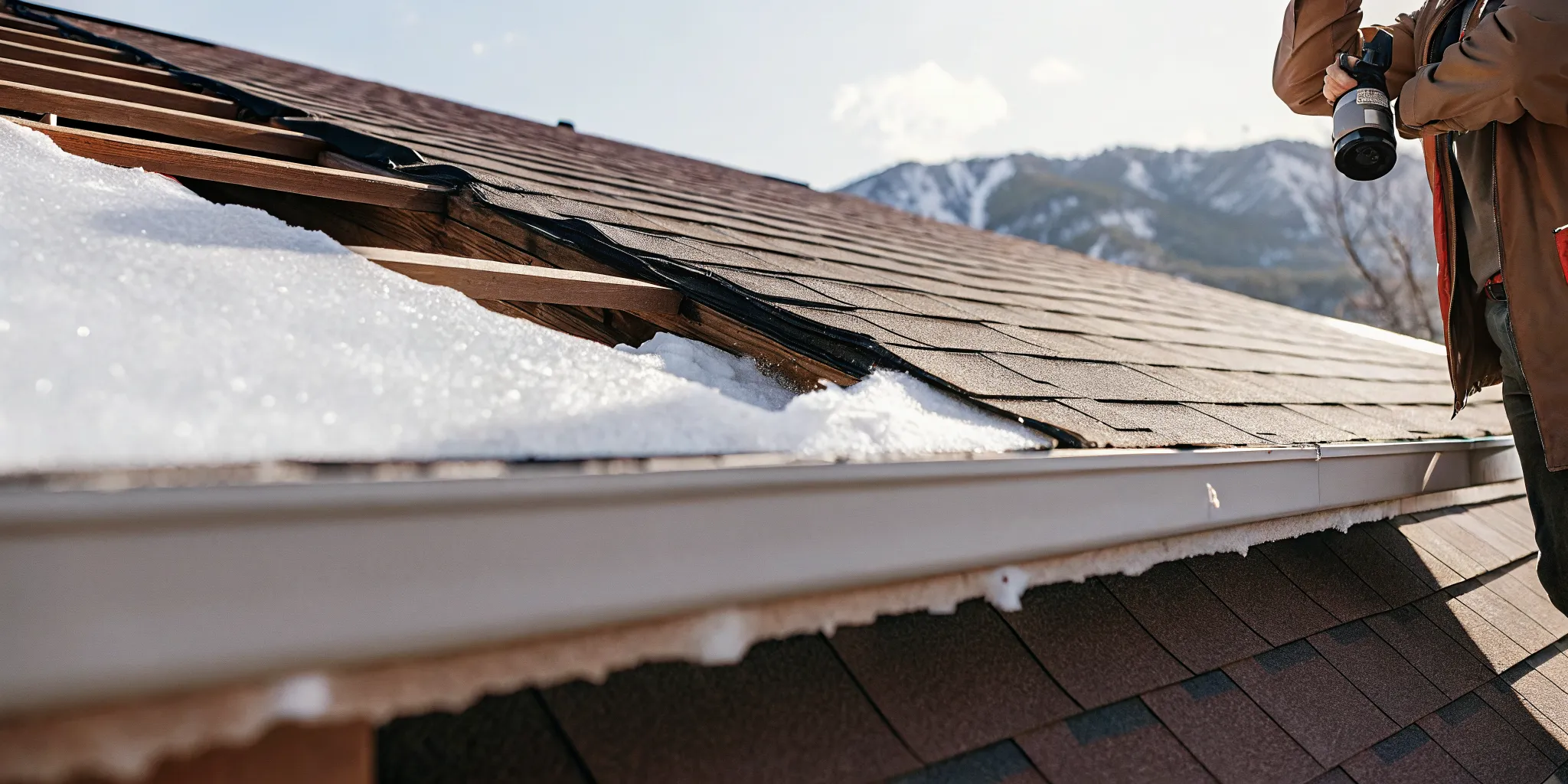
Roof rejuvenation after hail damage may be an option when the hail has not broken, punctured, or torn the asphalt shingles. It cannot repair active leaks, fractured shingles, damaged decking, or other failed roof parts. Repairs or replacement must come first when hail causes those problems. If a professional assessment finds that the roof's core structure remains intact, rejuvenation may help address treatable aging and improve the shingles' impact resistance. High Country Roof Revival uses GoNano nanotechnology for this work. The right next step depends on the depth of the storm damage, the roof's age, and its current condition. A free inspection helps Southwest Colorado homeowners separate cosmetic marks and treatable aging from damage that needs repair or replacement.
Roof Rejuvenation After Hail Damage: Can roof rejuvenation help after hail damage?
Roof rejuvenation after hail damage can help, but it depends on the type of harm. If your roof is old but still has its core strength, a treatment might be a great choice. It can make the shingles soft again so they do not crack when hit. But if the hail was big and made deep holes, you will likely need to do repairs first. This care works best on roofs that have not yet reached full failure.
What rejuvenation can and cannot fix
Roof rejuvenation is a way to add life to shingles that are starting to fail. It uses a plant-based oil or a lab-made spray to soak into the asphalt. This makes the shingles bendable again, which helps them survive the next storm. However, this process is not a way to fix a roof that is already leaking. It cannot seal a hole or mend a broken wood frame. If the hail was very large, it might have done more than just wear down the surface.
Experts at Ohio State University say these treatments can add 15 years to a roof's life. This is done by bringing back the oils that nature takes away over time. But if the hail has already caused a deep break or a puncture, the oil will not close that gap. You must fix those core issues before you can focus on long-term care.
Signs your roof is a good fit
You can often tell if your roof is a good fit for this service by looking at the shingles. If they are mostly whole but feel dry and brittle, they can help from the roof rejuvenation process. This is common for roofs that are 10 to 20 years old. Even if you have lost some grit from a storm, the treatment can help keep the rest in place. This avoids the cost of a new roof when yours still has years of life left.
If you live in Southwest Colorado, you know how hard the weather can be on your home. The high sun and big storms can make shingles break down fast. An expert asphalt shingle treatment can stop this decay. It works best when the hail has only caused surface damage rather than deep breaks. If the base of the shingle is still strong, the treatment can soak in and do its job well.
The need for an expert look
It is hard to see the full hail damage from the ground. Some cracks are small and only show up when you are on top of the house. This is why you should always book a free roof inspection after any major storm. An expert can tell you if your roof can be saved or if the damage is too deep for a simple treatment. They will check the seals, the vents, and the drip edges to make sure your home is dry.
Choosing the right path after a storm can save you thousands of dollars. Replacing a roof is a big job that creates a lot of waste for the local dump. If your roof only has minor damage, rejuvenation is a much greener and cheaper way to go. It keeps your home safe and gives you peace of mind for the next decade. Always have an expert check your roof before you make a plan.
Cosmetic wear, treatable aging, or serious hail damage?
Homeowners in Southwest Colorado often face harsh storms. After a storm, you may look at your roof and wonder if it is safe. It can be hard to tell the difference between a roof that is just old and one that has storm damage. Knowing the signs of each can help you decide. You may need a full replacement. Or, roof rejuvenation after hail damage might be an option for your home.
Spotting common aging and wear
As asphalt shingles age, they lose the oils that keep them soft. This is a natural process caused by sun and wind. You might see shingles that look dry or brittle. Some grit may wash into your gutters over time. This type of wear is often just on the surface at first. It does not mean your roof is leaking or broken. But it does mean the shingles are more likely to crack when hit by hail.
Aging roofs often show signs of fading. The color may look uneven across the slopes. This happens because the sun dries out the top layer of the shingles. Research from the Ohio State University shows that new tools can help. These tools can delay the need for a new roof by up to 15 years by fixing this loss of oils. This helps the shingles stay strong against future storms.
Signs of real hail impact
Real hail damage is different from normal wear. Large hailstones can hit a roof at speeds over 100 miles per hour. These hits leave round bruises or dents in the shingles. If you see dark spots where the grit is missing, the shingle may be bruised. This damage can break the seal of the roof. It lets water get into the wood beneath. This can lead to leaks and mold inside your house.
You should also look for cracks that spread out from a hit. If a stone is big enough, it can tear the mat of the shingle. These tears are a sign of serious harm. Small dings might look like just a mark. But if the mat is torn, the roof can no longer keep out the rain. In these cases, you may need a repair. You should do this before you use any roof rejuvenation process to protect the rest of the slope.
Choosing between repair and renewal
Not every roof with hail marks needs to be torn off. If the core of the shingle is still strong, you may be able to save it. Rejuvenation works by adding back the oils that make shingles tough. This can help them resist the blow of the next storm. But if the shingles are torn or missing, these oils will not fix the leak. You must find out if the damage is just on the surface or deep in the roof mat.
A professional check is the only way to be sure. Experts look for how deep the dents go. They also check for missing parts and soft spots. If your roof is between 6 and 20 years old, it is often a good choice for restoration. This path saves money and keeps old shingles out of the landfill. It is a smart way to get more life out of your home without the high cost of a full new roof.
| Damage Type | Visual Signs | Core Safety | Best Solution |
|---|---|---|---|
| Cosmetic Wear. | Fading, light grit loss. | Good and soft. | Check and watch. |
| Treatable Aging. | Brittle feel, curling edges. | Dry but whole. | Roof rejuvenation. |
| Minor Hail Dings. | Small pits, no mat tears. | Mostly whole. | Assessment before treatment. |
| Serious Hail Damage. | Bruises, torn mats, leaks. | Failed structure. | Repair or replace. |
The choice often comes down to the health of the roof mat. If the mat can still shed water, we can often extend its life. Using science to bond the layers back together can make the roof like new again. This helps you avoid the mess and cost of a tear-off. Always start with a pro to find the best path for your home and your budget.
Why a professional roof assessment comes first
A professional roof assessment is the first step in your roof rejuvenation process. You cannot see all the hail damage from the ground. A trained pro will get on your roof to find problems that you might miss. This check shows if your roof can still be saved or if it needs to be replaced. For roofs in Southwest Colorado, this step is vital to avoid high costs later.
Check for hidden damage
Hail can hit a roof at over 100 miles per hour during a big storm according to Great Roofing LLC. These hits often leave small marks that you cannot see without being close. A pro will look for missing granules and soft spots in the shingles. They also check the flashing and vents for dents or holes. Finding these early helps stop leaks before they start to rot your wood decking.
Find the best path forward
Not every roof with hail damage can be fixed with new tech. A roof that is already too far gone will not work well with professional roof treatment. The expert will tell you the truth about your roof's health. If the core of the shingle is still good, you can save money and time. If not, they will tell you that a full replacement is the safest bet for your home.
- Check every shingle. The expert looks for marks where hail hit the roof. They check if the hail broke the bond of the shingle.
- Test the flashing. Metal parts around chimneys and vents are checked for dents. Any gaps here can lead to big leaks.
- Look at the gutters. A lot of loose granules in the gutters is a sign of wear. This shows that the shingles are losing their shield.
- Review the attic. The pro may go inside to look for light or water marks on the roof deck. This confirms if the outer layer is failing.
- Make a plan. Once the check is done, you get a report. This report helps you decide if a free inspection leads to rejuvenation or a new roof.
What roof rejuvenation can and cannot do
Roof rejuvenation is a strong tool for people in Southwest Colorado. It uses nanotechnology to add life to your shingles. But it is not a magic fix for every roof.
Knowing the limits helps you make the best choice for your home. This is vital when you look at roof rejuvenation after hail damage.
Boosting impact resistance
One of the top perks of this treatment is better shield for your home. GoNano nanotechnology can make your asphalt shingles much stronger. This is key in Durango and Pagosa Springs where hail is common.
A single treatment can move shingles from Class 1 to Class 3 impact resistance. If you do it twice, your roof might even hit Class 4. This upgrade helps your roof stand up to future storms better.
This process also helps old shingles bend. As roofs age, they get brittle and lose their oils. The roof rejuvenation process puts these oils back.
This helps the shingles shed water and grip their granules. Research from The Ohio State University shows that these treatments can add up to 15 years to a roof's life. This delay saves you from the high cost of a new roof too soon.
What rejuvenation cannot fix
It is just as vital to know what the process cannot do. It is not a way to fix a roof that has already failed. If your shingles are curling, missing, or have big leaks, a treatment will not save them.
Rejuvenation works best on roofs that are aged but still sound. It cannot glue back shingles that have blown away. It also cannot fix deep damage to the wood under your shingles.
When you have hail damage, the type of hit matters. Small hail might just knock off some granules. Large hail can crack the core of the shingle.
If the core is broken, rejuvenation cannot mend it. The goal is to extend your roof's lifespan while the shingles are still in good shape. It is an early step, not a last resort for a totaled roof.
The role of an expert check
You should never guess about the state of your roof. An expert eye is needed to see if your home is a good fit. We look at the age of the shingles and the level of wear.
We also check for any signs of deep hail damage. This honest look ensures you do not waste money on a roof that needs to be replaced. Our team will tell you if your roof is too far gone.
If your roof is a fit, you can save a lot of money. Rejuvenation often costs about 75-80% less than a full tear-off and new roof.
This makes it a great choice for many folks in Cortez and Telluride. By starting with a free check, you get the facts you need to protect your home for the long haul.
Does rejuvenation improve impact resistance?
Many homeowners look for roof rejuvenation after hail damage to see if they can save their shingles. In Southwest Colorado, storms can be sudden and harsh. While no treatment can make a roof fully "hail-proof," the right science can help your home stand up to future storms.
High Country Roof Revival uses special coatings that make your roof stronger from the inside out. This approach helps you keep your home without the high cost of a new roof. It is a smart way to keep your roof in good shape for years to come.
How nanotechnology boosts durability
Modern science now allows us to treat old shingles with GoNano nanotechnology. As shingles age, they lose the natural oils that keep them soft and strong. This process works by filling small gaps in the shingle to restore those lost oils and make it bend better.
Based on work at an Ohio State University lab, these treatments help people wait longer before they need a new roof. By making the shingles softer, they are less likely to crack or lose granules during a light storm. This is useful for roofs in Durango that face high UV levels and dry air.
Upgrading your impact rating
The GoNano treatment can change how well your roof handles hits from falling ice. Impact ratings tell you how much force a shingle can take before it breaks. A single use shifts shingles from a Class 1 to a Class 3 rating.
With two coats, your roof may reach a Class 4 level. These are verified GoNano performance claims, but results still depend on the condition of the specific roof. This GoNano science overview explains the technology. No treatment makes a roof hail-proof.
Knowing the limits of protection
You should know the limits of this work. Nature is wild, and big hail can hurt even a well-maintained roof. A treatment cannot repair deep bruises, torn mats, punctures, or failed roof parts. It is not a way to make a home hail-proof.
Before you decide, an expert check is the best way to see if your roof is a good fit for this roof treatment process. Pros will look for missing granules and cracks. In many cases, you can save 75% to 80% of the cost of a new roof. This is a smart choice for people in Pagosa Springs or Telluride.
When repair, rejuvenation, or replacement makes sense
After a big storm, you must decide how to fix your roof. Not every hail hit means you need a new roof. Some roofs only need a few small fixes. Others can be saved with the roof rejuvenation process. The right choice depends on the age of your roof and how bad the hail was. A pro can help you find the best path for your home in Southwest Colorado.
Small fixes for light damage
If only a few shingles are hurt, you might just need a repair. This is common when hail is small or only hits one part of the roof. You can swap out broken shingles to stop leaks. This keeps the rest of the roof safe without a big bill. But repairs do not fix the whole roof. They only patch the spots that have clear signs of wear or damage.
It is important to act fast on small leaks. Even a tiny hole can lead to mold or rot in your attic. Most pros will look for missing granules or cracks during an inspection. If the rest of your roof is in good shape, a quick repair is often the best first step. It saves money and buys you more time before you need a full replacement.
Saving the roof with rejuvenation
If your roof is older but still strong, rejuvenation could be a great fit. This method uses special liquids to make old shingles soft again. It works well on roofs that are six to twenty years old. According to research from Ohio State University, these treatments can help property owners delay a costly replacement for up to 15 years. This is a big win for your budget and the planet.
Rejuvenation can also make your roof tougher. It helps shingles stay in place during the next storm. For roofs with light hail marks, this treatment can seal the surface and stop future leaks. It is a low-cost choice that saves about 75% to 80% compared to a new roof. It is a smart way to get more life out of your current shingles after a storm.
When a new roof is needed
Sometimes the hail is too large or the roof is too old to save. If more than 25% of your shingles are gone or broken, you may need a full replacement. Large hail can punch holes through the wood deck under your shingles. In these cases, neither a repair nor rejuvenation will work. You must tear off the old roof to keep your home dry and safe from the wind and rain.
A professional inspection is the only way to know for sure. Pros in Durango check for signs of failure that homeowners might miss. They look for deep bruises in the shingles or loose seals. If the core of the shingle is gone, the roof cannot protect your house. Replacing the roof is a big job, but it is needed when the structure is no longer sound.
Most people find that a mix of these steps works best. You might repair a few spots and then use a treatment to protect the whole surface. This plan gives you the best of both worlds. You fix the immediate issues and add years of protection to your home. Always start with an honest check to see which path fits your specific roof conditions.
What should you do after a Colorado hailstorm?
A Colorado hail storm can cause big stress for any home owner. You may see ice stones the size of a golf ball or even a soft ball hit your house. These stones can fall at speeds over 100 miles per hour and hurt your roof. If you think you have damage, you must act fast but stay safe on the ground. Do not climb up on your roof after a storm. Wet or loose shingles are very dangerous, so let a pro handle the high work.
Check for damage from the ground
Start by looking for signs of harm from your yard or the street. Look for piles of small granules from your shingles near your downspouts. You can also look for dents on your gutters, vents, or even your car. Use your phone to take photos of these signs for your records. If you see leaks inside your home, move your items to a dry spot to stop more harm. These clues can help a pro find where your roof needs help during a free inspection.
Call for a professional check
A pro can tell if your roof is a good fit for roof rejuvenation after hail damage. They will look to see if the core of your shingles is still strong. According to the Ohio State University, roof treatments can help people delay a new roof by up to 15 years. This work can fix small issues before they become big leaks that cost a lot of money. Most people find that this path saves them about 75 to 80 percent of the cost of a full new roof.
Stop more harm by acting fast
Do not wait too long to deal with hail hits. Small dents in your shingles can let water get into your wood deck over time. This leads to rot and mold which are hard to fix. Many homes in Southwest Colorado use GoNano to help their roofs last longer. This tool can raise the impact grade of your shingles so they can stand up to the next storm better. Taking steps now can help you avoid a full roof swap and keep your home safe for years.
Frequently Asked Questions
Can roof rejuvenation fix hail damage?
Experts at High Country Roof Revival say hail-damaged shingles can often be saved if the main part of the shingle is still strong. This treatment does not fix big holes, but it does make the roof soft again. It also helps the surface stay dry. A free check is the best way to see if your roof can be saved or if you need a new one.
How long does roof rejuvenation last?
A study from Ohio State University found that these treatments can add up to 15 years to the life of a roof. The process uses plant oils or tiny bits to help old shingles stay soft and shed water. This stops them from getting dry and breaking. Most owners can add ten years of life to their roof with just one visit, which saves a lot of money on fixes.
Can hail damage on a roof be repaired?
Small hail marks can often be fixed without taking off the whole roof. Big hail over one inch can break the roof, but smaller hits might just knock off the tiny rocks on top. A free check will show if your roof is a good fit for a fix. Adding a hard layer helps the roof stand up to future storms by making the shingles harder to dent or crack.
Does roof rejuvenation help prevent future hail damage?
New science can help your current shingles handle hits from hail better. One treatment can lift the roof to a higher rating, making it much tougher against ice. This helps keep the shingles from cracking when a storm hits. By keeping the roof soft and strong, you lower the risk of leaks. This plan protects your home and keeps more waste out of the local dump.
Ready to schedule a free roof inspection?
If you ignore hail damage today, you risk leaks that can hurt your home and your bank account. Fix your shingles now to stop the rot and avoid the high cost of a new roof. Our team will give you a plan to keep your roof strong and add years of life to your home. Colorado weather is hard on roofs, so we move fast to help you stay safe. Read about our nanotechnology process to see how we help homeowners like you. A small check now can save you a lot of money later. Don't wait for the next storm to turn a small problem into a total loss.
Ready to protect your property? Call +1 (505) 979-0475 to schedule a free roof inspection and see how much you can save today.
