
Nanotechnology Roof Rejuvenation vs Oil Treatments: The Science
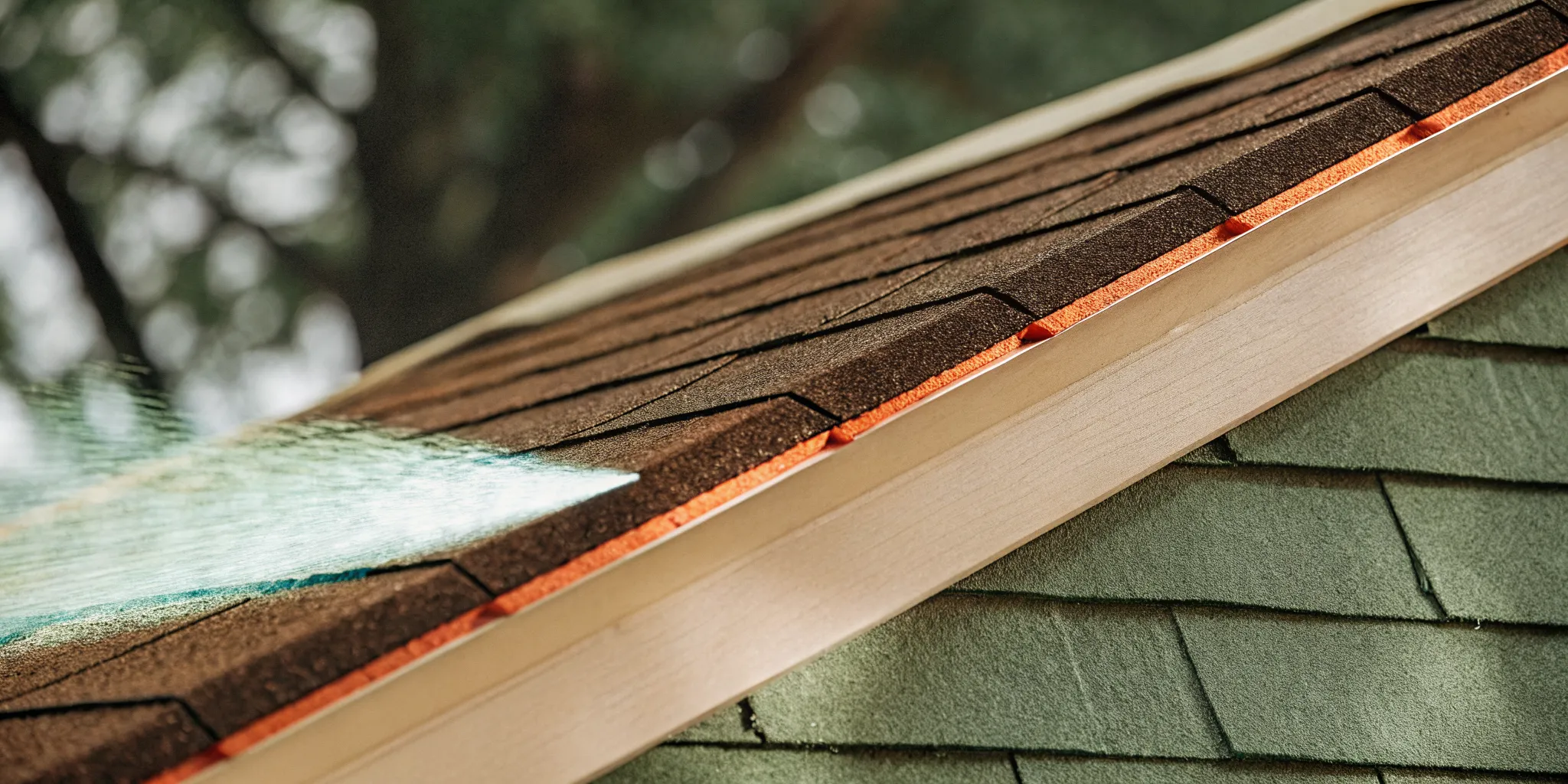
Traditional oil sprays like RoofMaxx merely coat shingles while nanotechnology like GoNano works at a molecular level to restore flexibility. For years, soy-based treatments were the only option to delay a costly roof replacement. Now, scientific advances offer a deeper way to protect your home from extreme weather.
Schedule Your Free Roof Inspection →
Nanotechnology roof rejuvenation is a scientific process that uses nanosilica particles, 1,000 times smaller than a micrometer, to penetrate deep into asphalt shingles and restore their natural flexibility at the molecular level. Traditional oil treatments sit on the surface and wear off within years. Nano-sized molecules bond with the shingle mat through pozzolanic reactivity, creating a permanent shield against UV rays, hail, and moisture. This method addresses the root cause of oxidative degradation, which makes shingles brittle and prone to early failure in extreme climates like Southwest Colorado. A single GoNano application extends roof life by 7 to 12 years, while oil-based coatings typically need reapplying every five years.
What Is Nanotechnology Roof Rejuvenation?
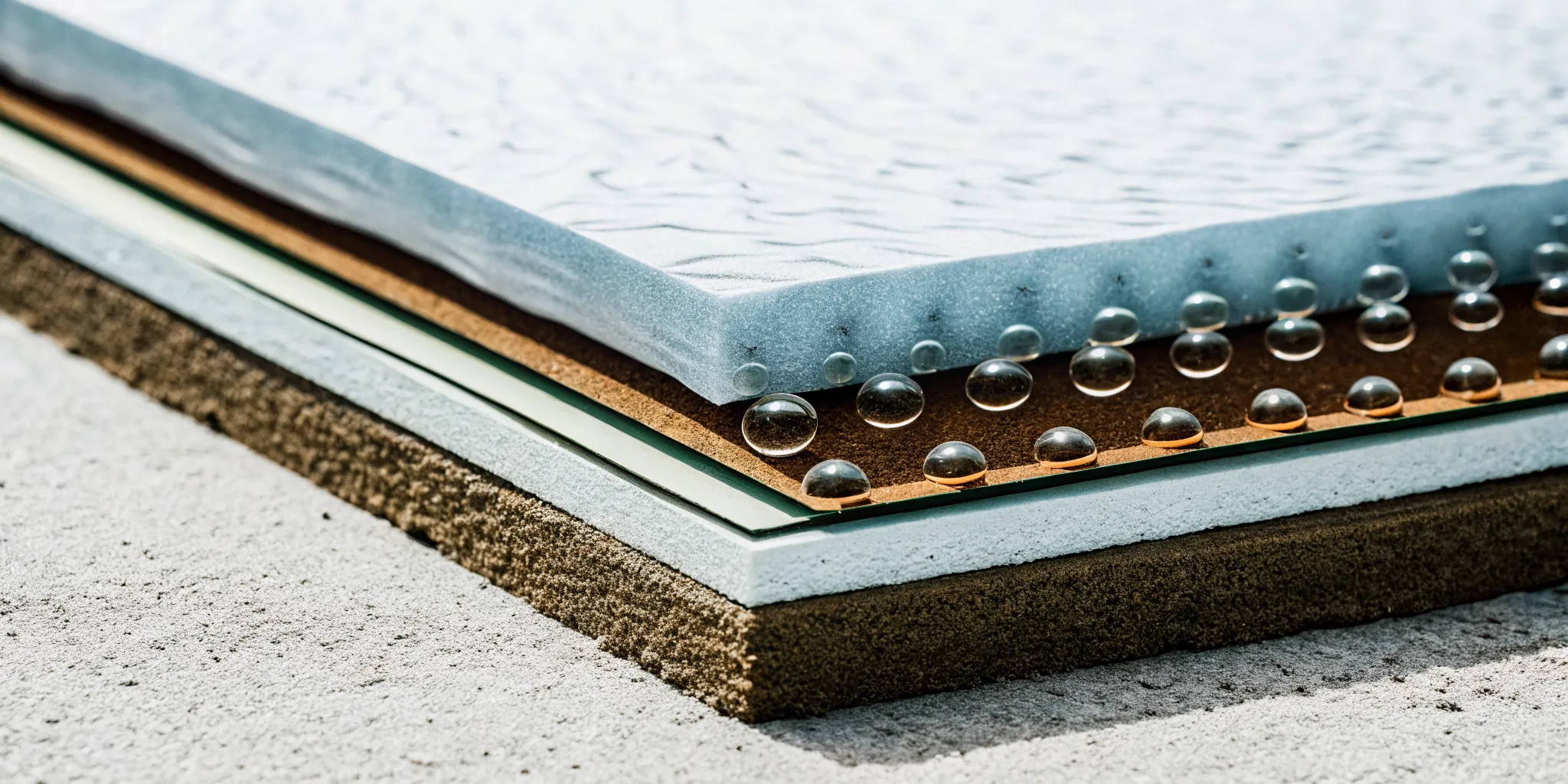
Nanotechnology roof rejuvenation is a process that restores old asphalt shingles from within. Unlike surface-level paints or sealers, it uses nanoparticles that reach deep into the roof mat to repair shingles that have become dry and brittle over time. Most roofs lose flexibility because the asphalt binder breaks down through oxidation, a process accelerated by intense sun exposure at high altitudes.
Molecular scale penetration
The term nano refers to scale. GoNano nanosilica particles measure 40 to 60 nanometers, roughly 1,000 times smaller than the width of a human hair. This minute size allows them to flow into the microscopic pores within the asphalt mat. Traditional soy-oil sprays are far too large to penetrate at this level and instead remain on the surface, where they wash away within a few seasons. Nanosilica, by contrast, bonds with the shingle from the inside out.
Chemical bonding, not surface coating
The treatment triggers a process called pozzolanic reactivity, a chemical reaction between the inorganic nanosilica and the organic asphalt. More than $1 million in independent testing has validated this mechanism. Instead of simply adding a slick outer layer, the reaction creates calcium silicate hydrates that become part of the shingle's internal structure. This is why GoNano nanotechnology roof rejuvenation restores flexibility rather than just masking the symptoms of aging.
Halting the oxidation cycle
As shingles age, the asphalt binder loses its ability to hold granules and shed water. Ultraviolet radiation from the Colorado sun breaks down the molecular chains that give asphalt its elasticity. Nanotechnology stops this decay by replenishing the depleted binder at the source. It reinforces the shingle mat, locks granules in place, and prevents the capillary action that leads to leaks. By fixing the roof at the molecular level, homeowners avoid the cost of a full replacement while keeping their homes dry and protected.
How GoNano Nanotechnology Works at the Molecular Level
Most roof treatments simply sit on top of the shingle like a coat of paint. GoNano goes deeper to repair the actual structure. High Country Roof Revival applies this advanced roof rejuvenation science to stop aging where it starts, which matters especially in Southwest Colorado where intense sun and heavy snow accelerate shingle degradation.
The science of nanosilica
Nanosilica particles measure 40 to 60 nanometers in diameter, roughly 1,000 times smaller than a micrometer. Their enormous surface-area-to-volume ratio allows them to interact chemically with the asphalt at a level that micron-scale oil droplets cannot reach. Where oil beads sit on top of the shingle surface, nanosilica flows into every crack and pore created by years of thermal cycling and UV exposure.
The four phases of molecular bonding
The transformation occurs through four clearly defined phases, each building on the last:
- Penetration: Nanosilica particles flow into the deepest pores of the shingle mat, reaching the core of the asphalt binder where oxidative damage concentrates.
- Reaction: The particles react chemically with the asphalt through pozzolanic reactivity, forming calcium silicate hydrates that cross-link with the binder molecules.
- Expansion: These cross-linked bonds expand outward, filling microscopic gaps and creating a continuous web of reinforcement throughout the shingle.
- Unification: The entire shingle becomes a single, integrated barrier that resists water intrusion, ice formation, and UV degradation.
Measurable strength improvements
This molecular restructuring produces real performance gains. Treated shingles can achieve UL2218 Class 3 impact resistance after a single application and Class 4 after a second treatment, meaning they withstand steel balls dropped from 20 feet. No oil-based treatment on the market makes comparable impact resistance claims. In a region where UV damage and hail threaten Colorado roofs every season, this structural upgrade translates directly into fewer insurance claims and longer roof life.
RoofMaxx and Oil-Based Roof Treatments: How They Compare
Oil-based roof treatments use plant-derived oils, typically soy or seed oils, to rehydrate dried-out asphalt. These oils soak into the upper layer of the shingle, restoring a degree of flexibility. While this approach offers some benefit, it primarily creates a surface-level change that requires regular reapplication to maintain effectiveness.
The reapplication cycle
The fundamental weakness of oil-based treatments is frequency. Most require a fresh coat every five years to keep the warranty active. To match the 15-year protection window of a single nanotechnology treatment, a homeowner would need to schedule three separate applications. Each visit costs between $3,000 and $5,500, bringing the 15-year total to $9,000 to $16,500. That recurring cost often surprises homeowners who expected a one-and-done solution.
Surface-level limitations
Oil-based products do not change the fundamental structure of the shingle. They soften the surface layer but leave the underlying brittle asphalt untreated. This means they offer no improvement in impact resistance, no protection against hail damage, and no meaningful defense against the freeze-thaw cycles that characterize Southwest Colorado winters. Most oil treatments carry a five-year prorated warranty, meaning coverage diminishes each year. For homeowners exploring roof treatment options in Southwest Colorado, the difference in long-term protection is substantial.
Surface oil versus deep molecular bonding
The contrast comes down to depth of action. Oil sits on top. Nanosilica penetrates and bonds. Surface coatings wash away, oxidize, and require renewal. Molecular modification becomes part of the shingle. A single nanotechnology application protects for up to 15 years because the chemical bond between nanosilica and asphalt is permanent, not sacrificial.
Nanotechnology vs Oil-Based Roof Rejuvenation: Key Differences in Performance
When comparing roof treatments, the performance gap between molecular modification and surface coating becomes clear across every relevant metric.
Molecular modification versus surface coating
Oil treatments use plant oils to wet the shingle surface, producing a temporary cosmetic improvement without addressing brittleness. By contrast, nano-zinc particles bond at the molecular level, restoring the natural oils lost to heat and UV radiation. In high-altitude areas like Durango, Cortez, and Telluride where UV intensity is 15% to 45% higher than at sea level, this distinction matters every day of the year.
Performance and warranty comparison
Scientific validation shows that nano-zinc treatments extend asphalt shingle life by 7 to 12 years. Oil treatments typically claim 3 to 5 years of added life. The warranty structures reflect this difference honestly.
| Feature | Nanotechnology (GoNano) | Oil-Based (Soy/Seed) |
|---|---|---|
| Action Level | Molecular penetration | Surface coating |
| Warranty Period | 10-15 years (full) | 5 years (prorated) |
| Impact Resistance | Class 3/4 Rated | None claimed |
| Lifespan Extension | 10-15 years | 3-5 years |
| Total 15-Year Cost | $3,000-$4,000 | $9,000-$16,500 |
Durability and lifetime savings
Extending roof life also reduces landfill waste. By deferring replacement, homeowners keep thousands of pounds of asphalt shingle waste out of local landfills. For anyone evaluating asphalt shingle rejuvenation in Durango or the surrounding areas, the durability advantage of nanotechnology translates directly into lower lifetime cost and a smaller environmental footprint.
Why Southwest Colorado Homeowners Need Advanced Roof Protection
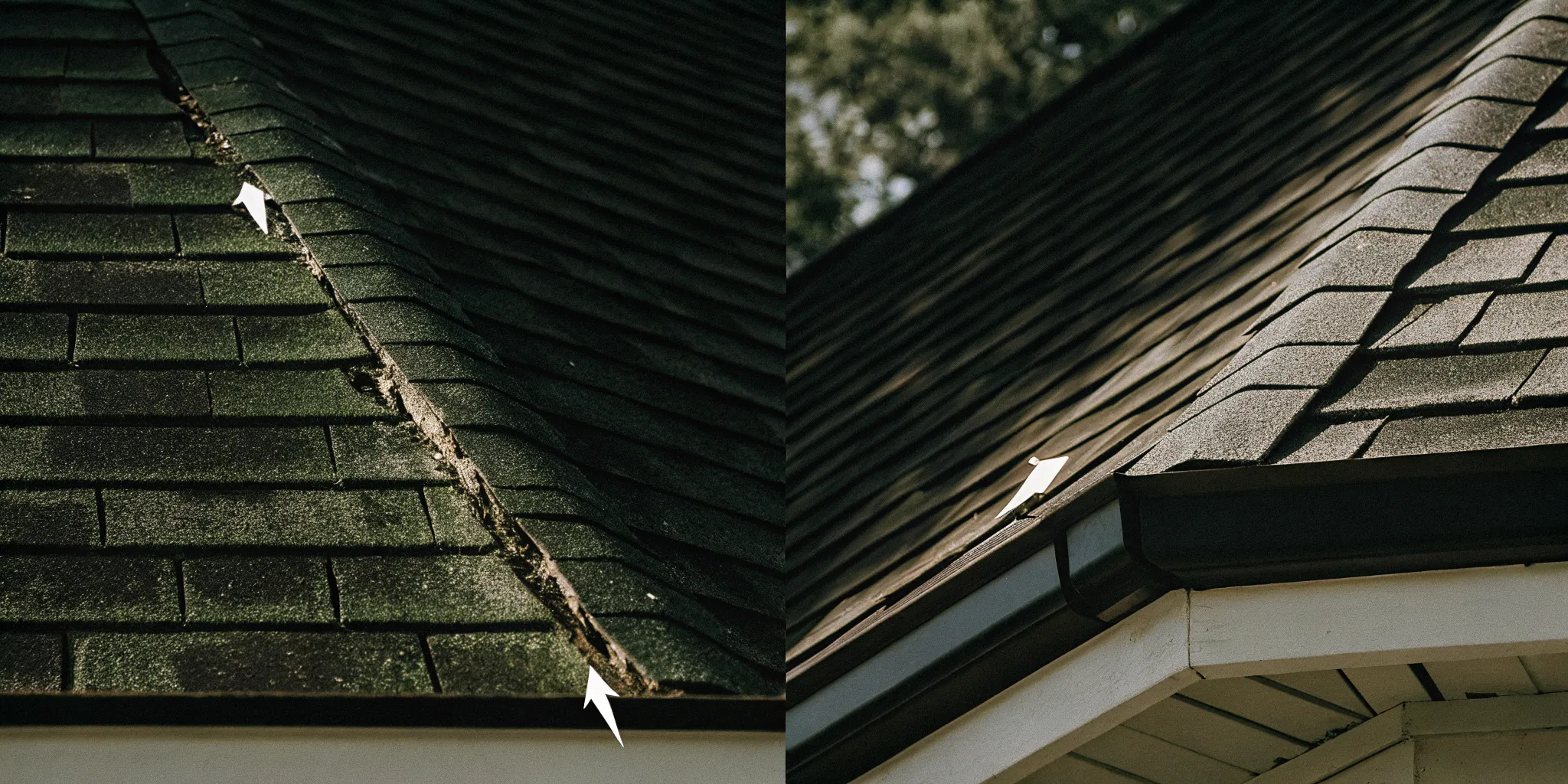
Southwest Colorado presents unique challenges that standard roofing solutions struggle to meet. From the high peaks near Telluride to the mesa country around Cortez, homes endure conditions that accelerate shingle failure far faster than national averages would predict.
High altitude UV intensity
At elevations ranging from 6,000 to 10,000 feet, UV radiation is 15% to 45% more intense than at sea level. This elevated exposure breaks down the asphalt binder in shingles at an accelerated rate, causing them to dry out, crack, and lose their protective granules years ahead of schedule. Once the granules are gone, the underlying asphalt is directly exposed to the sun, accelerating failure in a self-reinforcing cycle.
Hail and freeze-thaw stress
Colorado ranks second in the nation for hail insurance claims. The region experiences more than 120 freeze-thaw cycles annually. Water seeps into micro-cracks in aged shingles, freezes overnight, expands, and widens those cracks with every cycle. Over time this mechanical stress systematically destroys the shingle mat from within. Nanotechnology restores the flexibility that allows shingles to withstand both hail impacts and thermal expansion without cracking.
Molecular bonds built for mountain weather
Oil-based coatings lack the structural reinforcement needed for this environment. GoNano nanosilica goes deep into the shingle mat to restore flexibility, creating a bond that withstands snow loads up to 136 pounds per square foot. For homeowners considering a roof inspection in Durango, understanding which treatment type can survive Colorado's climate is the first step toward a smart investment.
Cost Comparison: Nanotechnology vs Oil-Based Roof Rejuvenation
Choosing the right roof care plan saves thousands over a decade. Most homeowners compare single-treatment prices, but the real cost difference compounds over time.
15-year total cost analysis
A single nanotechnology treatment costs $3,000 to $4,000 and delivers 10 to 15 years of protection. One application, one visit, one investment. Oil-based treatments run $3,000 to $5,500 per application but must be repeated every five years. Over 15 years, the math is stark: $3,000 to $4,000 for nanotechnology versus $9,000 to $16,500 for oil-based alternatives. That is a 67% to 76% savings with nanotechnology while getting superior protection.
Warranty and asset value
GoNano carries a 10 to 15-year non-prorated warranty, reflecting the permanent nature of the molecular bond. Oil treatment warranties are typically five years and prorated, meaning the coverage value drops each year. For homeowners looking at the best cost-saving-alternatives to roof replacement, the warranty terms alone make the choice clear.
Timing matters. Treatment works best on shingles that still retain most of their granular surface. Once granules are largely gone and the underlying mat is exposed, the roof may no longer be a good candidate for rejuvenation. Catching the roof early maximizes both the treatment's effectiveness and the homeowner's return on investment.
Environmental impact of longer roof life
Extending roof life by a decade keeps thousands of pounds of asphalt out of landfills. The EPA has recognized roof-life extension as a key strategy for reducing construction and demolition waste. Choosing a durable molecular bond instead of a temporary oil coat keeps materials in service longer and reduces the carbon footprint associated with manufacturing, transporting, and installing replacement shingles.
Is Nanotechnology Roof Rejuvenation Right for Your Home?
Not every roof is a candidate, and honest assessment matters. High Country Roof Revival evaluates each roof individually and recommends replacement when that is the better path. For most Southwest Colorado homes with sound but aging shingles, nanotechnology offers a cost-effective alternative to premature replacement.
Evaluate your roof's age
Roofs under five years old benefit from NuRoof Fortify, a preventive treatment that preserves the shingle mat's original flexibility and extends life by roughly five years. Roofs between six and twenty years old are candidates for NuRoof Revive, which restores lost pliability and extends life by 7 to 12 years. The right product depends on where the roof is in its aging cycle, and a free roof inspection in Durango or the surrounding area determines the right fit.
Check granule coverage
Granules protect the asphalt from UV radiation. Treatment works best when most granules are still embedded in the shingle surface. As shingles age and lose granules, the exposed asphalt becomes brittle and may no longer respond to rejuvenation. If the shingles are already curling at the edges or have visible cracks, replacement rather than treatment is the appropriate recommendation.
Compare long-term value
When you add up the 15-year cost of three oil treatments versus one nanotechnology application, the savings are substantial. Beyond the raw numbers, nanotechnology delivers Class 3 impact resistance that oil cannot match, a non-prorated warranty, and the peace of mind that comes from a treatment that actually restores structural integrity rather than just softening the surface.
Frequently Asked Questions
Does nanotechnology roof rejuvenation protect against hail damage?
Yes. GoNano nanotechnology restores flexibility to aged asphalt shingles, allowing them to absorb impact rather than crack. Treated shingles can meet UL2218 Class 3 or Class 4 impact standards depending on the number of applications. In Southwest Colorado, where hailstorms are a seasonal risk, this protection helps homeowners avoid expensive insurance claims and premature roof replacement.
How many treatments does nanotechnology require?
One treatment delivers the full benefit. Unlike oil-based alternatives that require reapplication every five years, nanosilica creates a permanent molecular bond that lasts 10 to 15 years. The single-application model is a key advantage for homeowners who want a set-it-and-forget-it solution.
Can nanotechnology fix an existing roof leak?
No. Nanotechnology roof rejuvenation is a preventive and restorative treatment, not a repair for active damage. It works best on structurally sound shingles that are showing signs of aging. If a roof already has visible leaks, curling shingles, or extensive granule loss, replacement rather than treatment is the appropriate solution.
Is nanotechnology roof rejuvenation environmentally safe?
Yes. The treatment is biodegradable and OSHA-certified for safe application. By extending the life of existing shingles, it also reduces the volume of asphalt waste sent to landfills. Homeowners who choose nanotechnology over replacement or frequent oil reapplications make an environmentally responsible choice while protecting their property.
Ready to schedule your free roof inspection in Durango?
The intense UV radiation in Southwest Colorado will continue to degrade your shingles every day you wait. Protecting your home now stops the molecular decay that leads to leaks, mold, and expensive structural damage. A single nanotechnology treatment delivers up to 15 years of protection at a fraction of the cost of repeated oil applications.
Are you ready to book your free roof inspection with our local team in Southwest Colorado? Call (505) 979-0475 now to speak with a roof expert about protecting your home with proven nanotechnology.