
Winter Roof Preparation Colorado: A Guide to Protecting Your Shingles
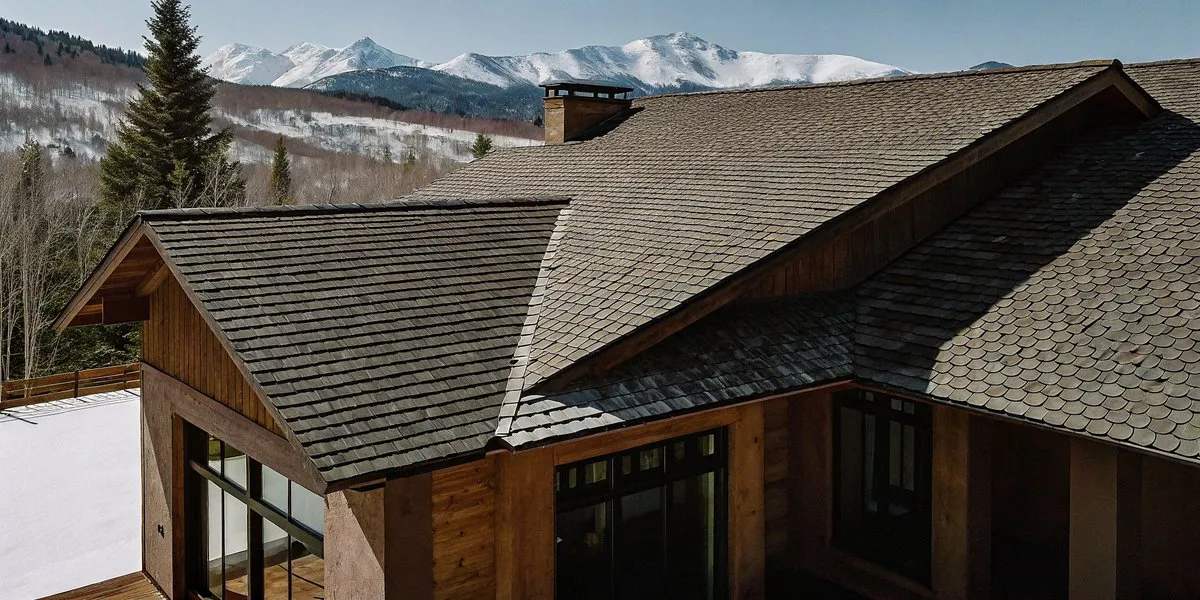
Durango homeowners face punishing winter weather, from heavy snow loads to high-altitude sun. Preparing your asphalt shingles now prevents the spring-thaw surprises that often lead to expensive emergency repairs.
Effective winter roof preparation Colorado combines simple care with new science to fight the local freeze-thaw cycles. Homeowners should start by clearing debris from gutters and checking shingles for cracks or lost grit. However, basic work often misses the real problem of brittle asphalt caused by the strong mountain sun. Adding a GoNano treatment helps shingles stay soft so they can bend under heavy snow loads. According to the University of Minnesota, ice dams form when uneven heat causes snow to melt and refreeze at the edge, pushing water under shingles. Our process creates a water-repellent layer that helps shed moisture and stops ice from sticking to the surface. This smart move makes your roof stronger without the waste or high cost of a new one.
Protect your roof before winter hits. Schedule your free roof inspection today and make sure your shingles are ready for the snow season ahead.
Many homeowners assume their shingles are invincible until they see a wet ceiling in the middle of March. You can easily avoid these expensive headaches by learning Why Southwest Colorado Winters Are Uniquely Tough on Roofs. The path begins with
Winter Roof Preparation Colorado: Why Southwest Colorado Winters Are Uniquely Tough on Roofs
Winters in the San Juan Mountains bring more than just great skiing to Purgatory Resort. For homeowners in Durango and Telluride, the season brings a tough mix of high sun, heavy snow, and constant temperature shifts. These things work together to age asphalt shingles much faster than in other parts of the country. Proper winter roof preparation in Colorado is the only way to make sure your home stays dry through the spring thaw.
Intense sun and high-altitude UV rays
In Southwest Colorado, our roofs sit much closer to the sun. UV rays are 15% to 45% more intense here than at sea level. With over 300 days of sun each year, shingles face constant wear from the light. This dries out the natural oils in asphalt, making shingles brittle and easy to crack. When a shingle loses its flex, it cannot expand and shrink as heat changes, which leads to early failure.
Heavy snow loads and ice pressure
Snowfall is different across our area, but the weight is always a big worry. In Durango, roofs must handle snow loads of 40 pounds per square foot (psf). Homes in Telluride often face loads up to 136 psf. This huge weight puts constant stress on the roof deck and shingles. Heavy snow can also trap wetness against the roof, which speeds up the rot of old materials. Without a strong seal, this water eventually finds its way into your attic.
The destructive freeze-thaw cycle
Our area sees more than 120 freeze-thaw cycles every year. This happens when snow melts during a sunny day and freezes again as soon as the sun goes down. When water gets into small cracks in a shingle and freezes, it grows and forces the crack wider. This cycle is a main cause of grit loss and shingle damage. By protecting shingles from dramatic temperature shifts, you can stop this slow rot from ruining your roof.
Hail damage and weak shingles
Colorado always ranks as the second highest state for hail damage claims in the nation. Even small hail stones create tiny cracks in the asphalt mat. While these marks might look small in July, they become big leaks once the winter snow starts to melt. Shingles that are already weak from hail are much more likely to fail under the pressure of winter ice and wind.
How Ice Dams Form and What They Cost You
Winter roof preparation in Colorado often centers on one goal: avoiding the dreaded ice dam. These heavy ridges of ice form when your roof has uneven temperatures. Heat leaks from your attic and melts snow on the upper parts of your roof. As that water flows down toward the eaves, it hits the cold edge and freezes into a solid block. This cycle repeats until a thick dam traps water behind it, forcing liquid under your shingles and into your home.
The science of heat loss
Heat flowing from your house is the main cause of the warm roof sections that lead to ice dams. This happens when there is not enough insulation or poor air flow in your attic. Research from the University of Minnesota shows that keeping a cold roof surface is the best way to stop these dams from forming. By managing your attic temperature, you keep the snow from melting too fast during the day.
Costly damage to your home
An ice dam is more than a simple nuisance. The Insurance Institute for Business & Home Safety notes that these dams cause thousands of leaks each winter. When water gets past your shingles, it can soak your attic insulation and rot your wood framing. It also leads to stains on your ceilings and walls. If left alone, this moisture creates a perfect home for mold and mildew, which can harm the health of your family.
Price of roof neglect
Fixing the mess from a single ice dam event often costs $5,000 or more in repairs. These costs cover drying out your attic, replacing wet drywall, and painting. You can avoid these high bills by maintaining shingle flexibility before winter starts. Keeping your shingles pliable helps them shed snow better and stay sealed against the ice. Taking these steps now saves you from the stress and expense of a mid-winter roof failure.
How GoNano Nanotechnology Prepares Shingles for Winter
Winter roof preparation in Colorado often focuses on clearing gutters and checking attic insulation. But protecting the shingles at a tiny level is a key step to stop winter damage. High Country Roof Revival uses GoNano nanotechnology to change the structure of asphalt shingles. This process helps your roof handle the heavy snow and ice common in Durango and Telluride.
Restoring shingle flexibility
As shingles age, they lose the natural oils that keep them soft. Cold air makes dry shingles brittle. This leads to cracks when heavy snow piles up on your home. GoNano particles are 1,000 times smaller than a hair width. This lets them strengthen shingles for winter by going deep into the asphalt. This step gives back the flex so shingles can bend instead of breaking under a big storm.
Creating a water and ice barrier
Old shingles can soak up small amounts of water. When that water freezes, it grows and makes cracks larger. GoNano creates a shield that sheds water before it can soak in. This science is backed by tests from the NIST and other labs to show how it stops water from entering the shingle. By pushing water away, you lower the risk of ice dams that form on your roof edges.
Improving impact resistance
Winter storms in Southwest Colorado often bring ice or hail that can hurt your roof. One GoNano use can move a Class 1 shingle up to Class 3 impact strength. Two uses can reach a Class 4 rating. This is the best level of protection you can get. This path helps your roof stay strong through the freeze and thaw cycles that happen more than 120 times each year in our area.
NuRoof Revive vs. NuRoof Fortify: Choosing the Right Winter Protection
Winter in Southwest Colorado puts big stress on asphalt shingles. Homeowners in Durango and Telluride need to know which GoNano choice fits their roof. Both options use small-scale tech to stop water damage and ice dams. They save you 75 to 80 percent compared to the high cost of a full roof replacement.
NuRoof Fortify for newer roofs
NuRoof Fortify is a smart step for shingles under five years old. This mix uses a high amount of silica and bio-oil to stop aging before it starts. It helps roofs stand up to wind and hail during winter storms. This choice comes with a 15-year warranty to keep your new roof strong.
NuRoof Revive for aging shingles
NuRoof Revive is for roofs between six and 20 years old. This deep mix rebuilds shingle health by adding lost oils back into the base. It creates a dry shield that sheds snow and ice. A NuRoof Revive treatment extends roof life by seven to 12 years and has a 10-year warranty.
FeatureNuRoof FortifyNuRoof ReviveBest Roof AgeUnder 5 years6 to 20 yearsMain GoalStops agingFixes old shinglesLife AddedUp to 15 years7 to 12 yearsWarranty15 years10 yearsWinter GuardWind and hail focusWater and ice focus
Stronger than new shingles
Both GoNano choices make your shingles stronger than a new Class 2 roof. Groups like the National Institute of Standards and Technology study how shingle materials fail under cold stress. Our deep change keeps shingles from cracking when temps drop. This tech is key for how nanotechnology strengthens shingles for winter in high towns like Pagosa Springs.
What to Expect During a Roof Rejuvenation Treatment
Getting your home ready for a cold winter starts with a good plan. You need to make sure your shingles are strong. This process is fast but helpful. It turns dry, brittle parts into a strong shield for snow. Many folks in Durango do this winter roof preparation Colorado step before snow falls on the local ski hills. Our team helps homes in Cortez and Telluride stay safe all year long.
A clear look at your roof
We begin with a close look at the shingles. Our team looks for lost grit and signs of old age. This step helps us see if the roof is a good fit for our service. We give you a fair price and tell you if you need a new roof instead.
Free Inspection. We check the age of the shingles and how much grit is left. We also look for marks from past hail storms.
Fair Advice. We give you a clear price. If your roof is too old to save, we will tell you the truth about its state.
Clean the Top. Our crew clears off dirt and leaves. This helps the liquid soak into the shingles for a deep bond.
Apply the Liquid. We use GoNano nanotechnology. This liquid goes deep into the asphalt to add back the oils that have dried out over time.
Let it Set. The liquid needs a bit of time to dry. Once set, it makes a shield that keeps out water and ice.
When to schedule your visit
The best months to do this are from April to October. The liquid needs warm air to work the right way. One visit can add 10 to 15 years to the life of your roof. It is a big part of preparing your roof for Colorado winters.
Avoid winter damage
By making the shingles soft again, they will not crack when the night air turns cold. This helps your home stay dry through the spring thaw. This process keeps your roof in top shape for years to come.
Ice dams are a big risk during our long winters. The University of Minnesota notes that these dams grow when the roof has hot and cold spots. A treated roof helps water run off well. This helps stop ice from piling up near the edges of your home.
Frequently Asked Questions
How do you prepare your roof for winter?
Preparing your roof for winter starts with a full check of shingles and metal edges. You should clear all trash from gutters and pipes so melting snow can drain away. Adding more padding to your attic helps stop heat loss that leads to ice dams. For older roofs, a new treatment can make shingles soft again. Based on Solvista Roofing, cleaning gutters is the best way to keep water moving in the cold months.
Is October too late to prepare a roof for winter in Colorado?
October is not too late, but it is the last month for most big roof work in Southwest Colorado. Our team usually applies treatments from April through October. The liquid needs warm air to work right. If you wait until the first big snow, it may be too late to fix leaks or seal your roof. A fast check now can find small issues before they turn into big water damage during the spring melt.
How do you prevent ice dams on a Colorado roof?
The best way to prevent ice dams is to keep your roof surface at the same temperature. You can do this by adding more insulation to your attic and improving air flow. This stops heat from your home from melting the snow on top of your roof. Based on UMN experts, heat loss is the main cause of the uneven roof heat that creates ice dams.
Can you put salt on your roof to prevent ice dams?
You should never put rock salt on your roof. Salt can dry out the shingles and cause the small rocks to fall off. This makes the roof weak and leads to leaks. While salt melts ice, the runoff can also kill your plants and mark your walls. Instead, try to improve attic air flow to keep the roof surface cool. This stops ice from forming without using harsh salt that can hurt your home.
How long does a roof rejuvenation treatment last?
One roof treatment using GoNano nanotechnology usually lasts for 10 to 15 years. This process works by going deep into the shingles to replace oils lost to the sun. It is not just a top coating that peels off over time. For roofs that are 6 to 20 years old, NuRoof Revive can add ten years to your roof for a low cost.
Ready to schedule your free roof inspection in Durango?
Waiting to check your roof until the heavy snow falls can lead to leaks and ice dams that cost a lot of money to fix. You can stop water damage and keep your home warm by acting now to help your shingles before the cold winter hits our area. Our GoNano process needs dry days to work well, so it is key to get on our list before the next big storm arrives.
Are you ready to book your free roof inspection? Request your inspection on our website today. Our team will help you find the best way to keep your roof safe and dry all through the long and cold winter months.
